

Inktober 2020
IUCN Inktober Originals
All originals are available in The Shop.
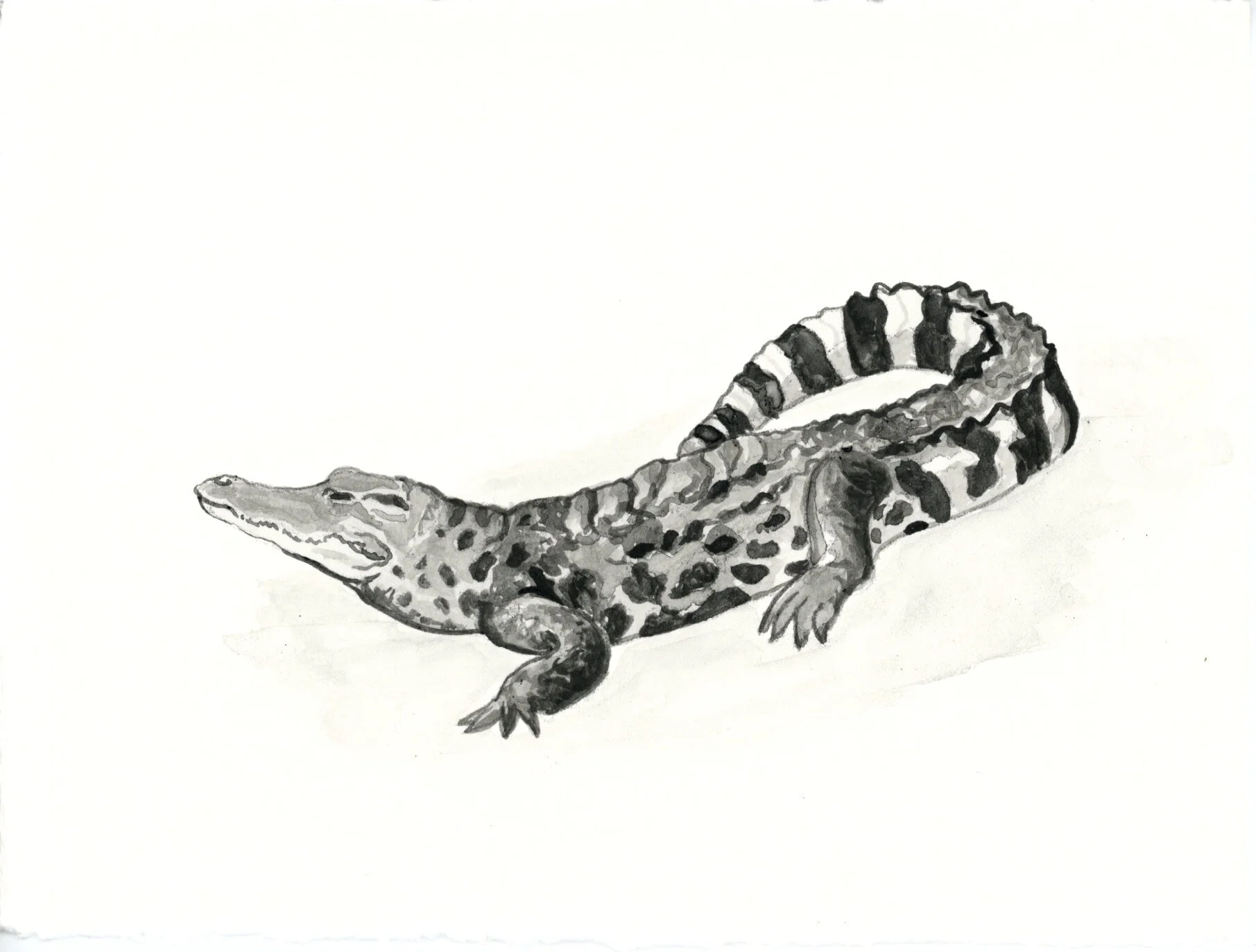
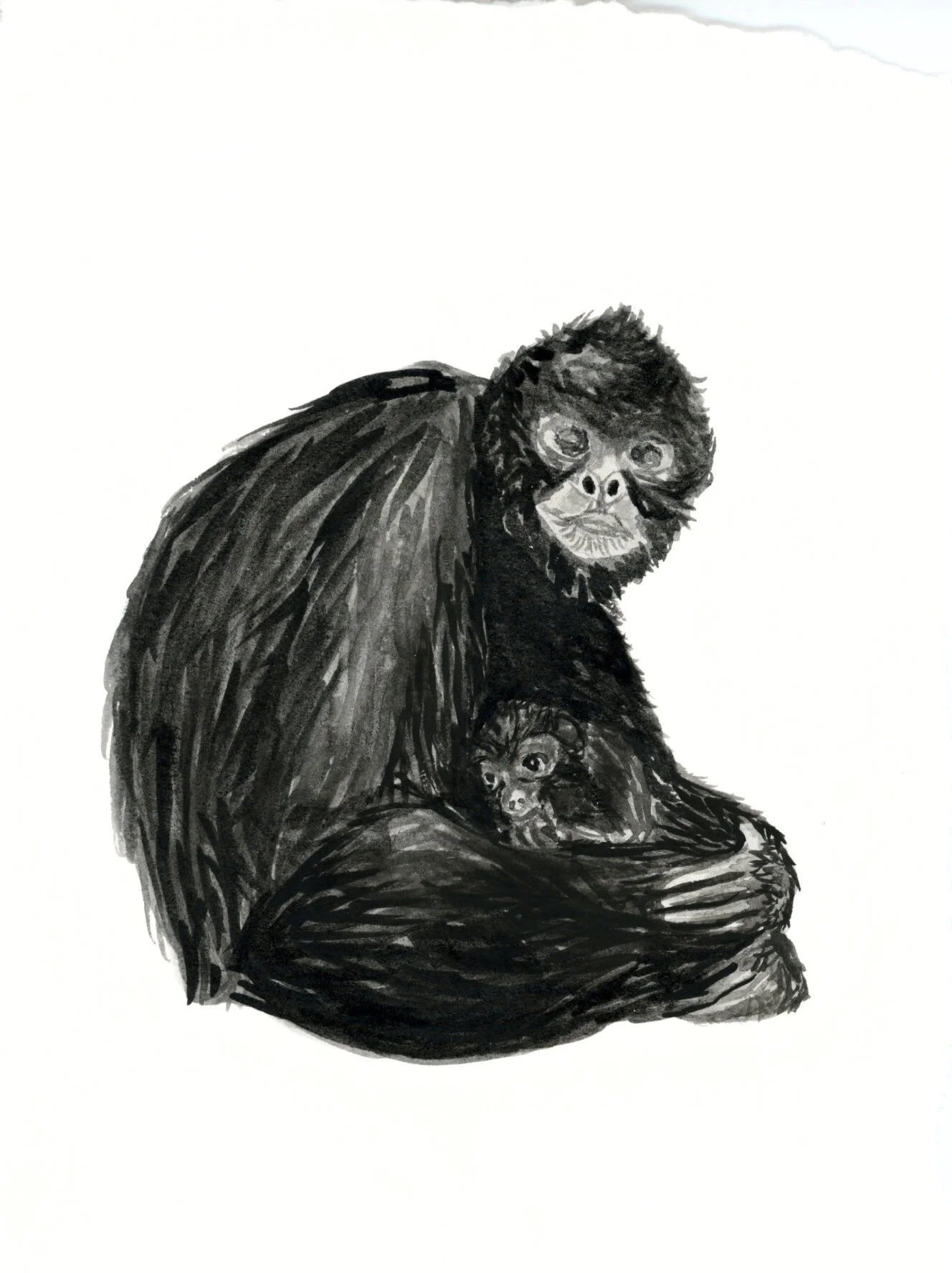
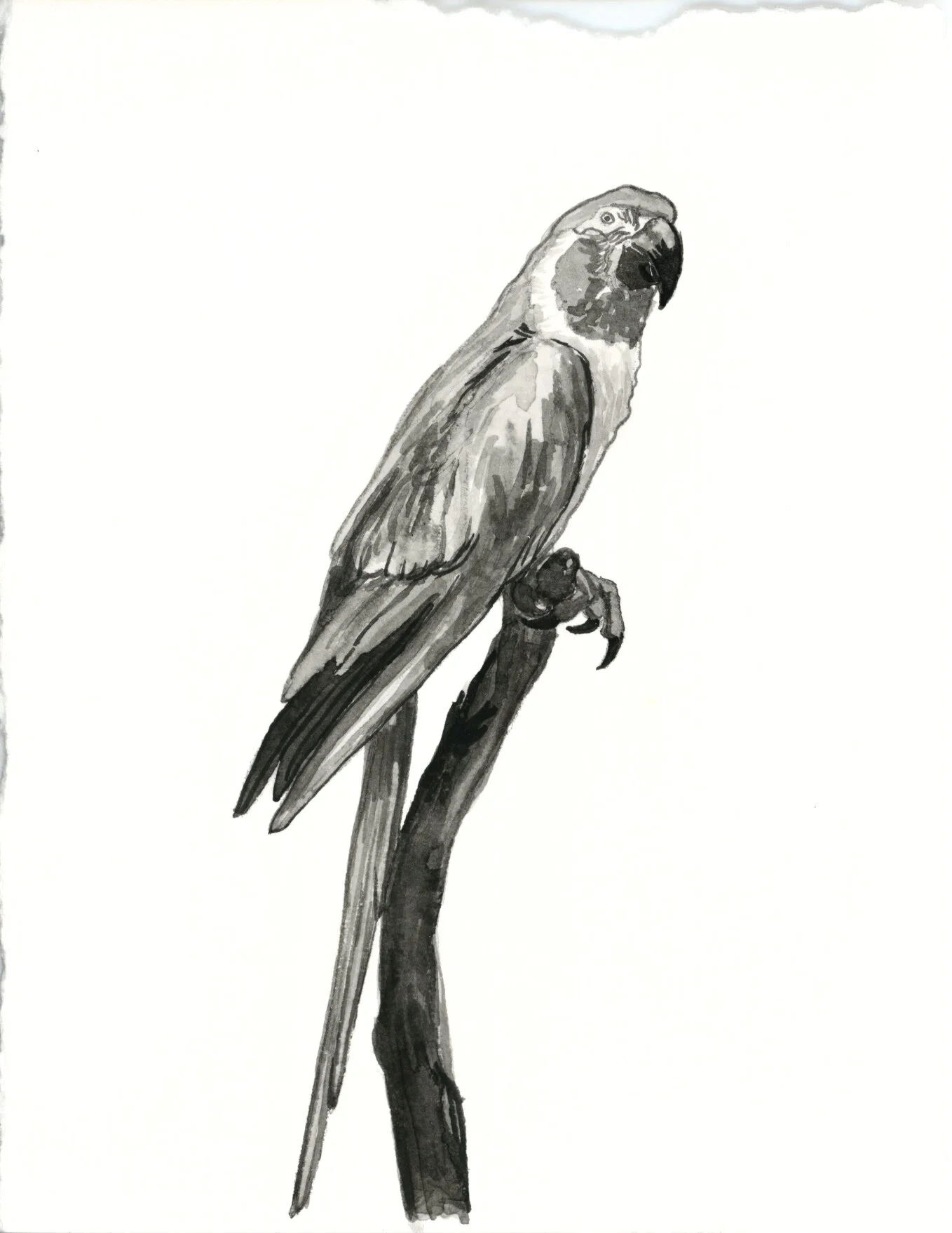
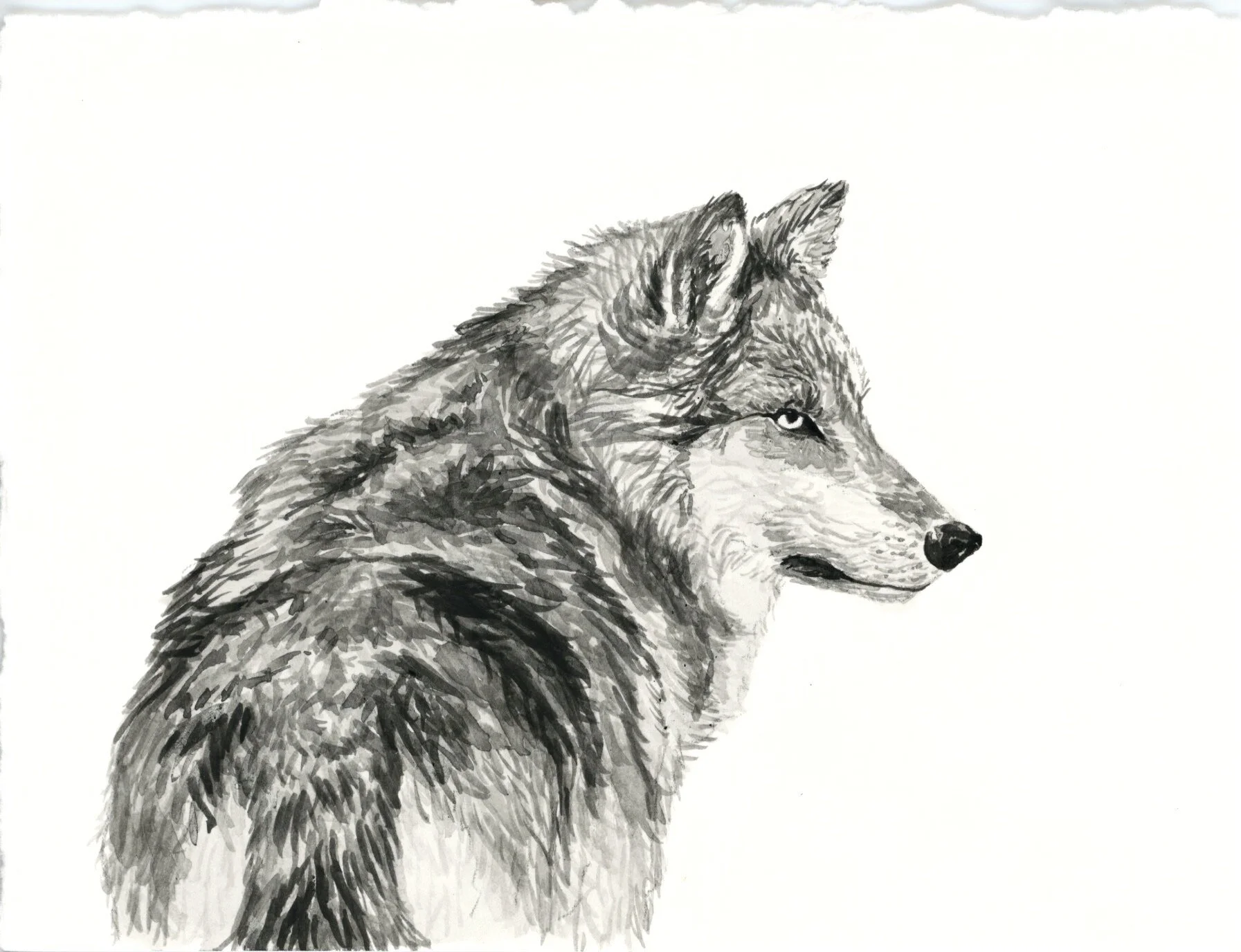
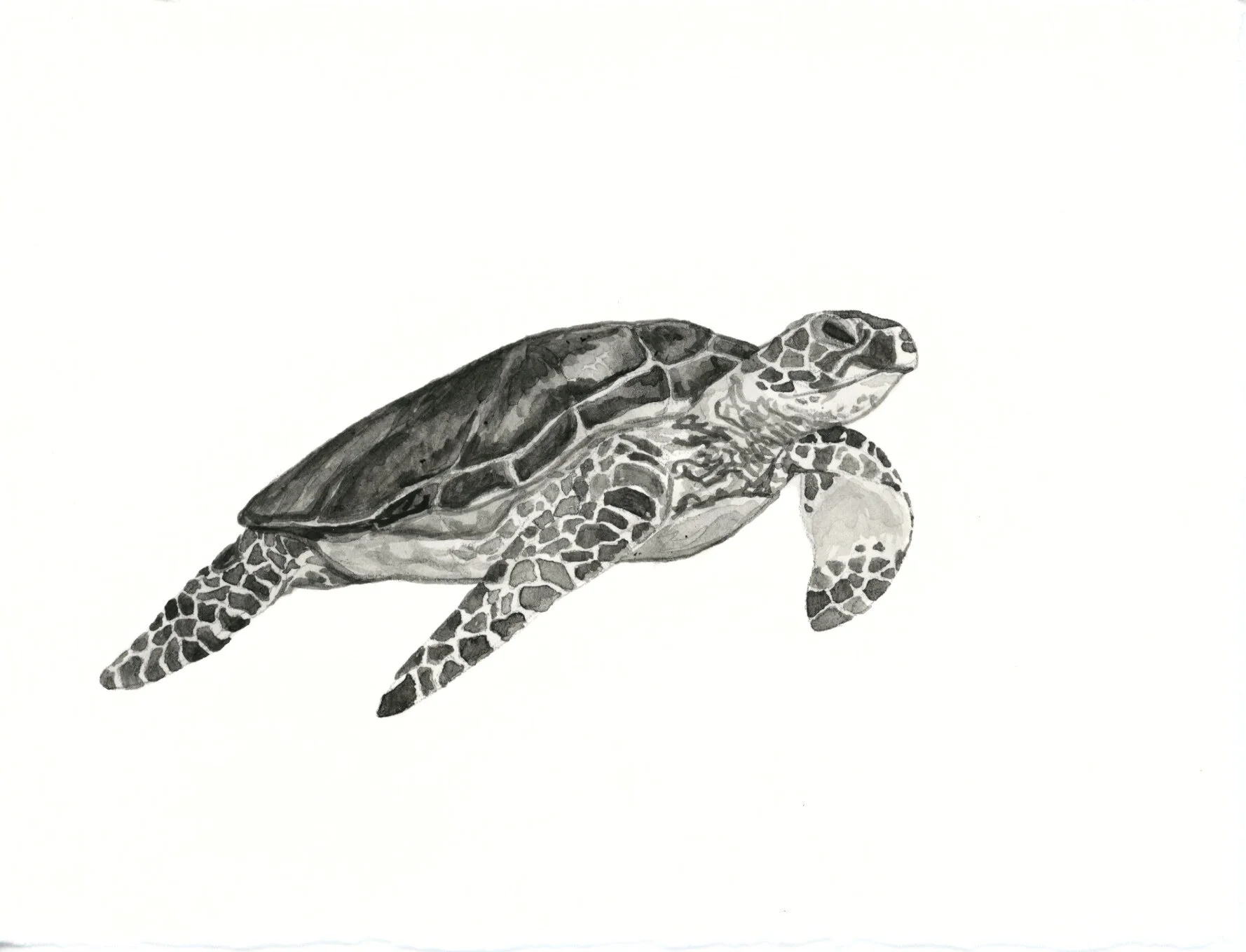
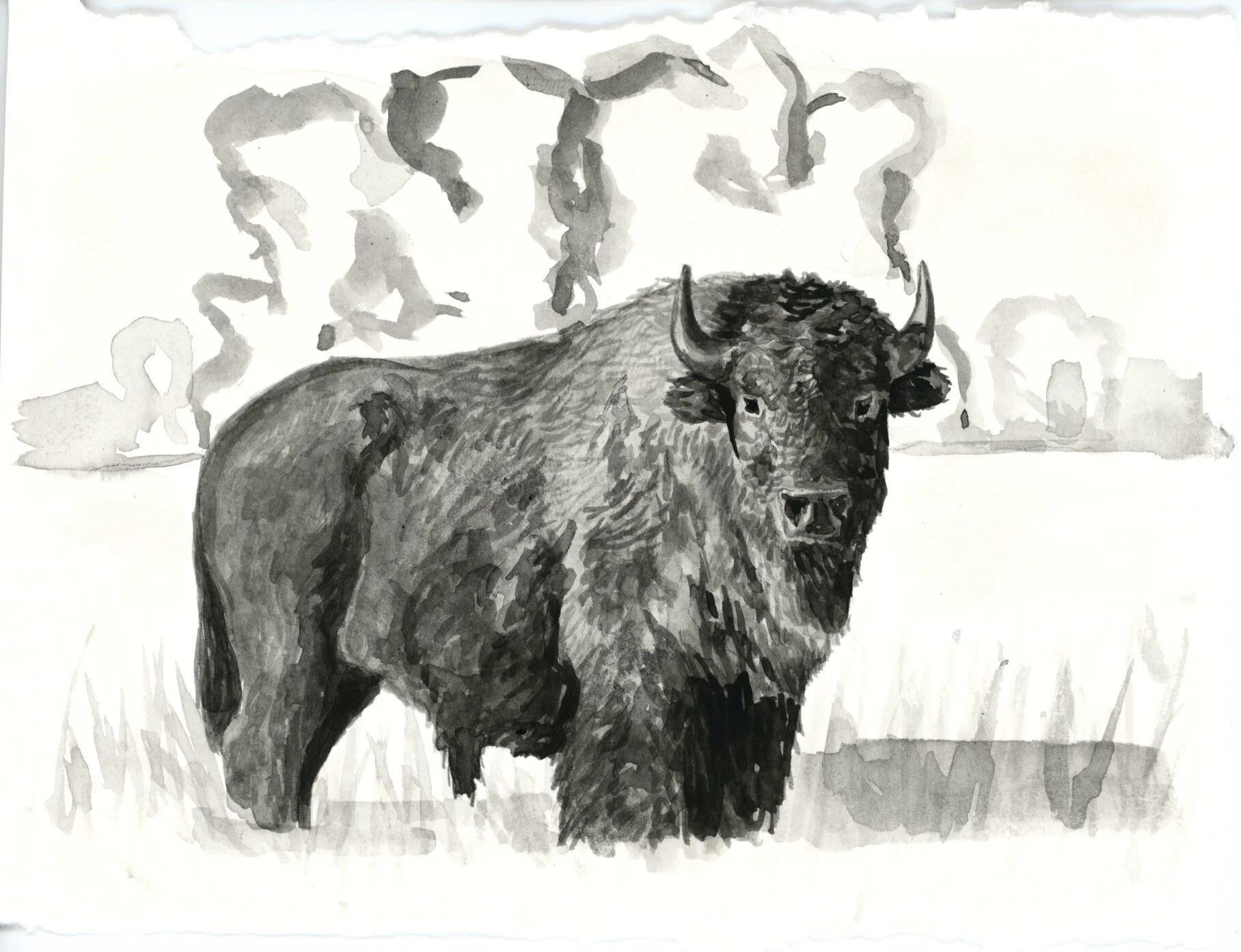
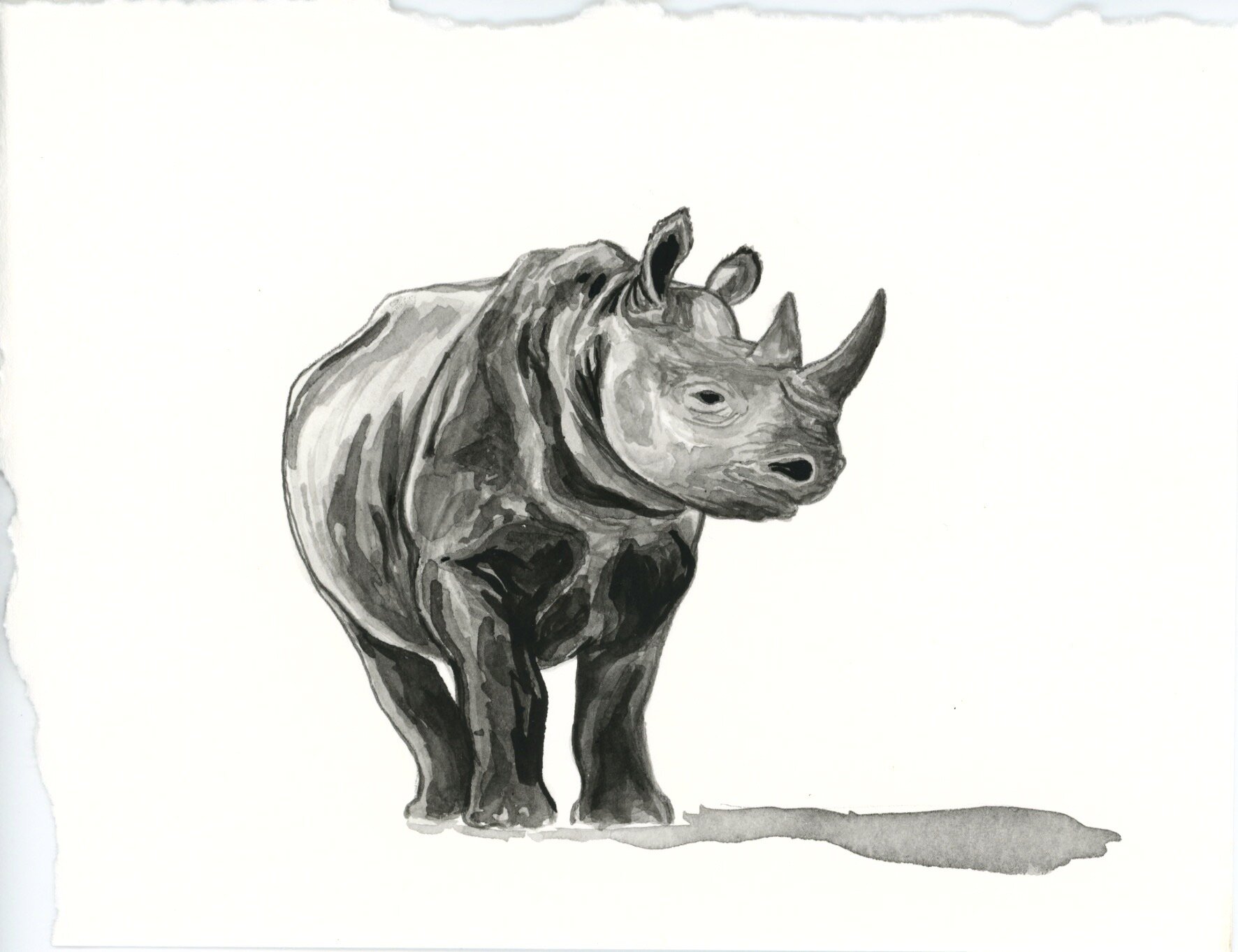
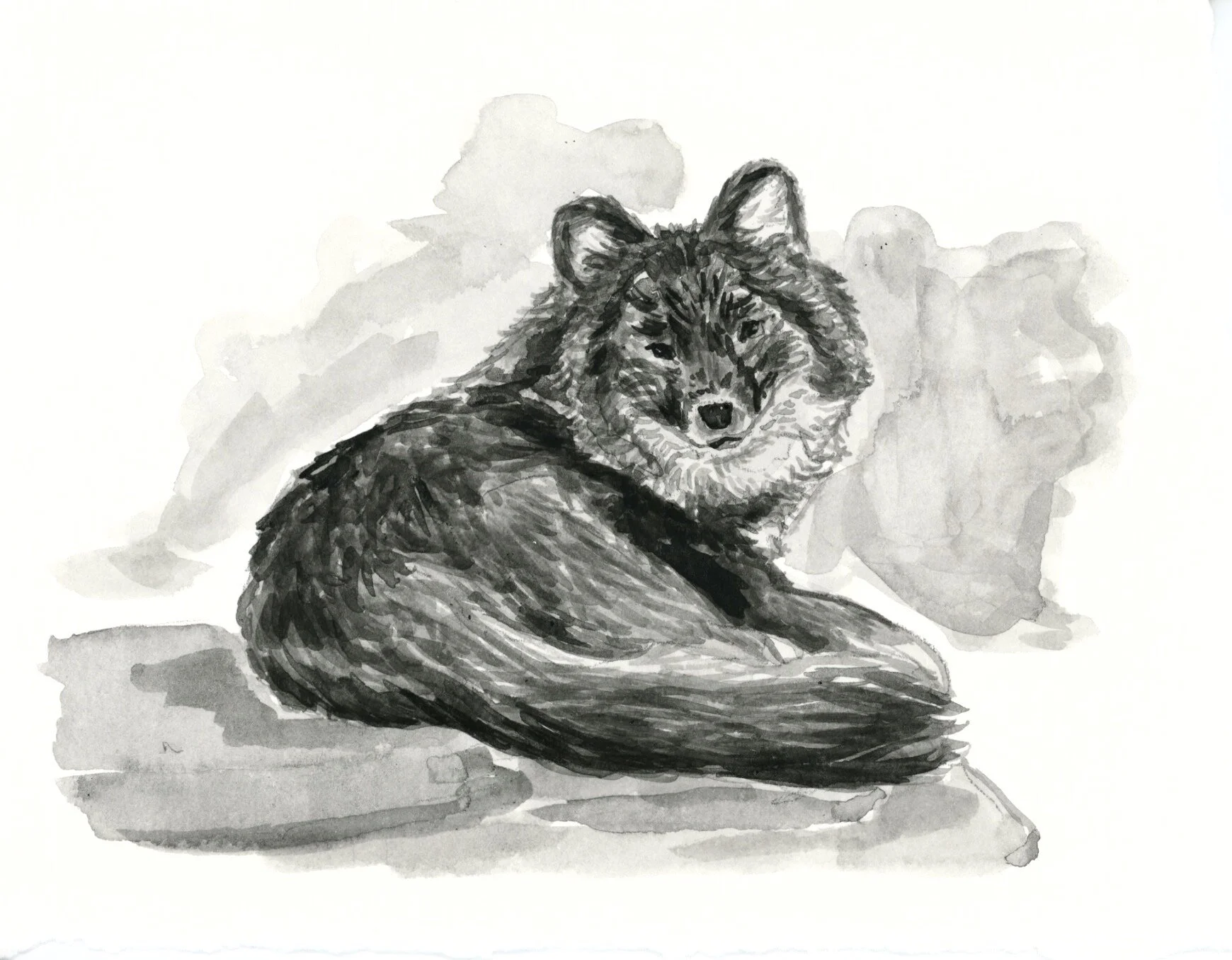
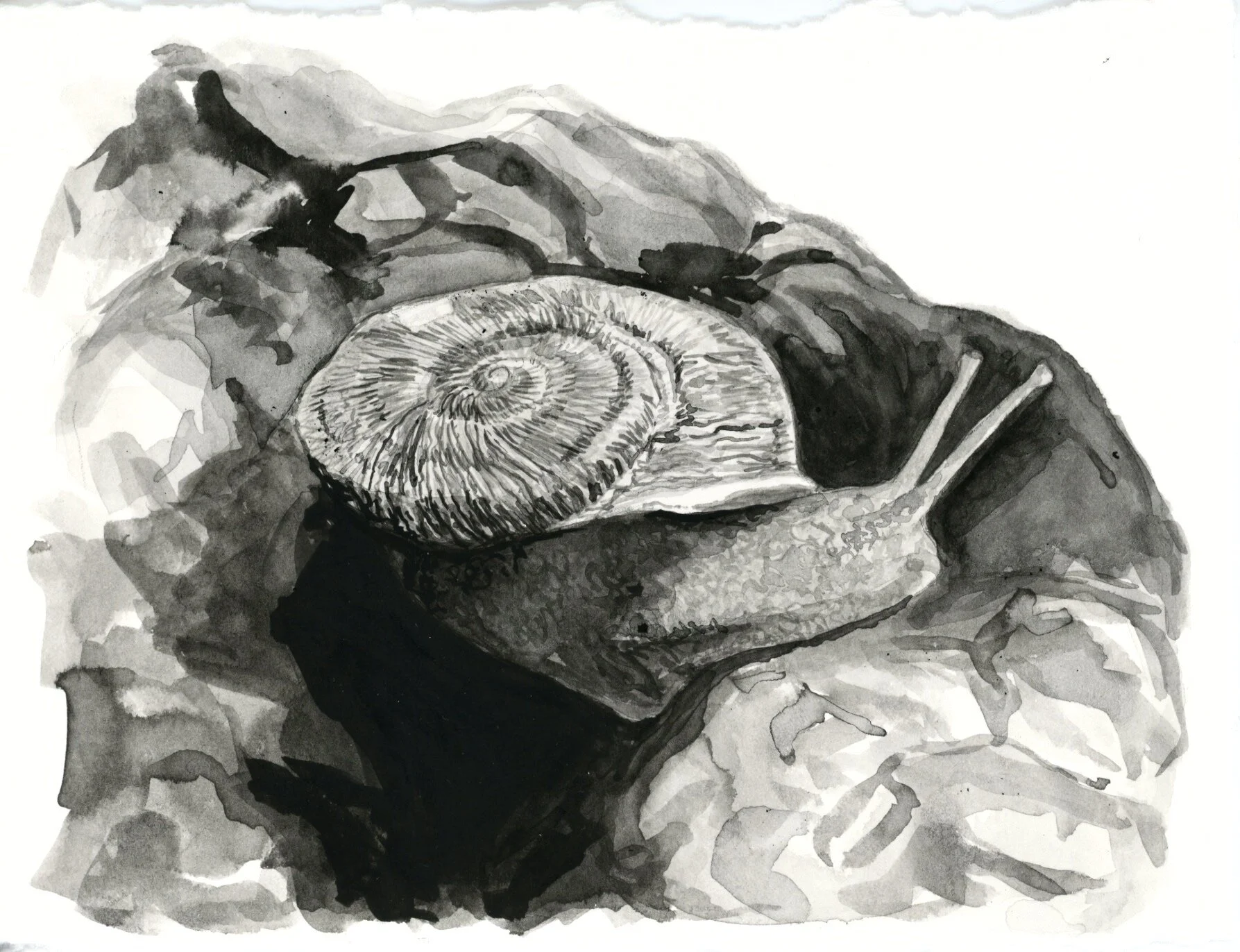
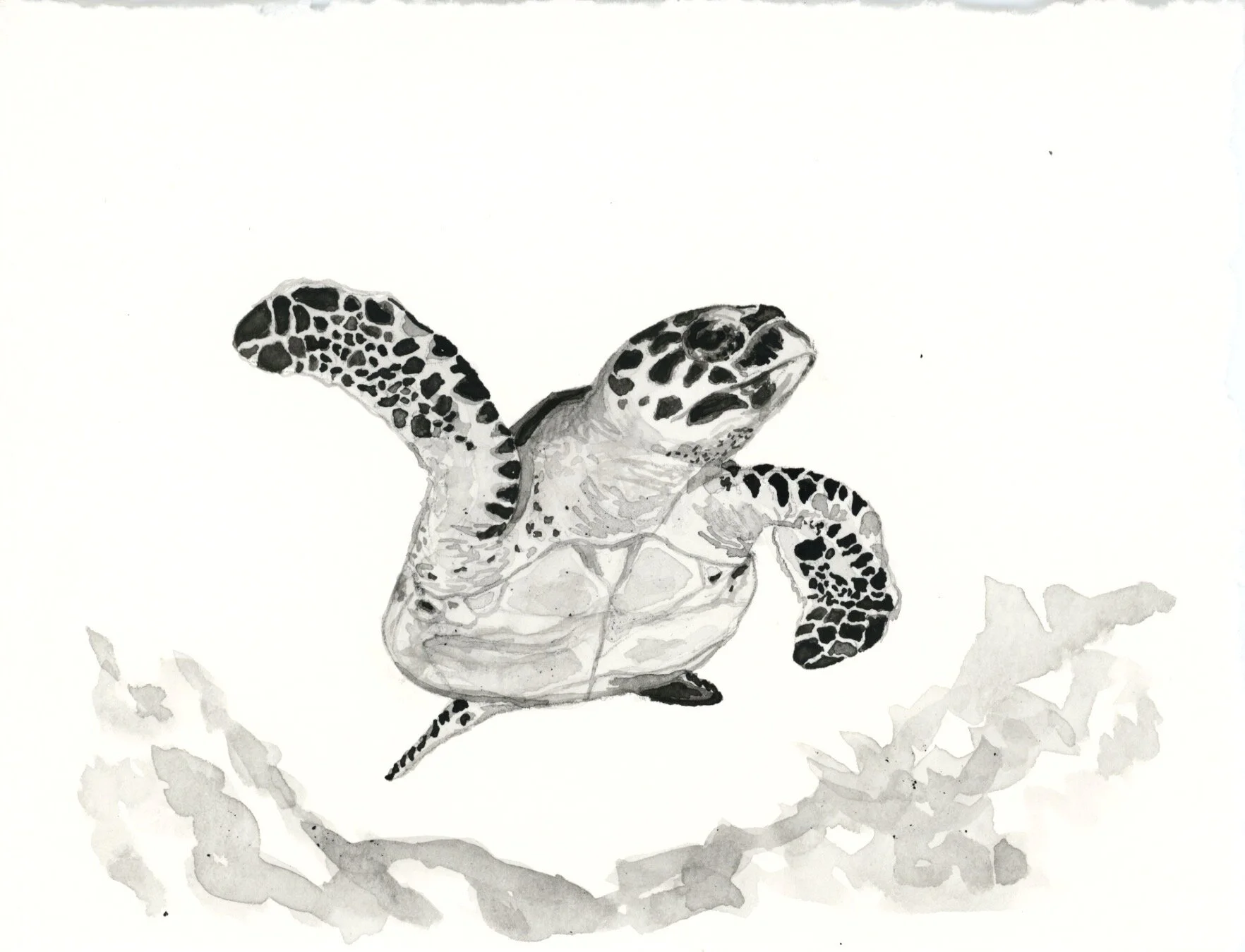
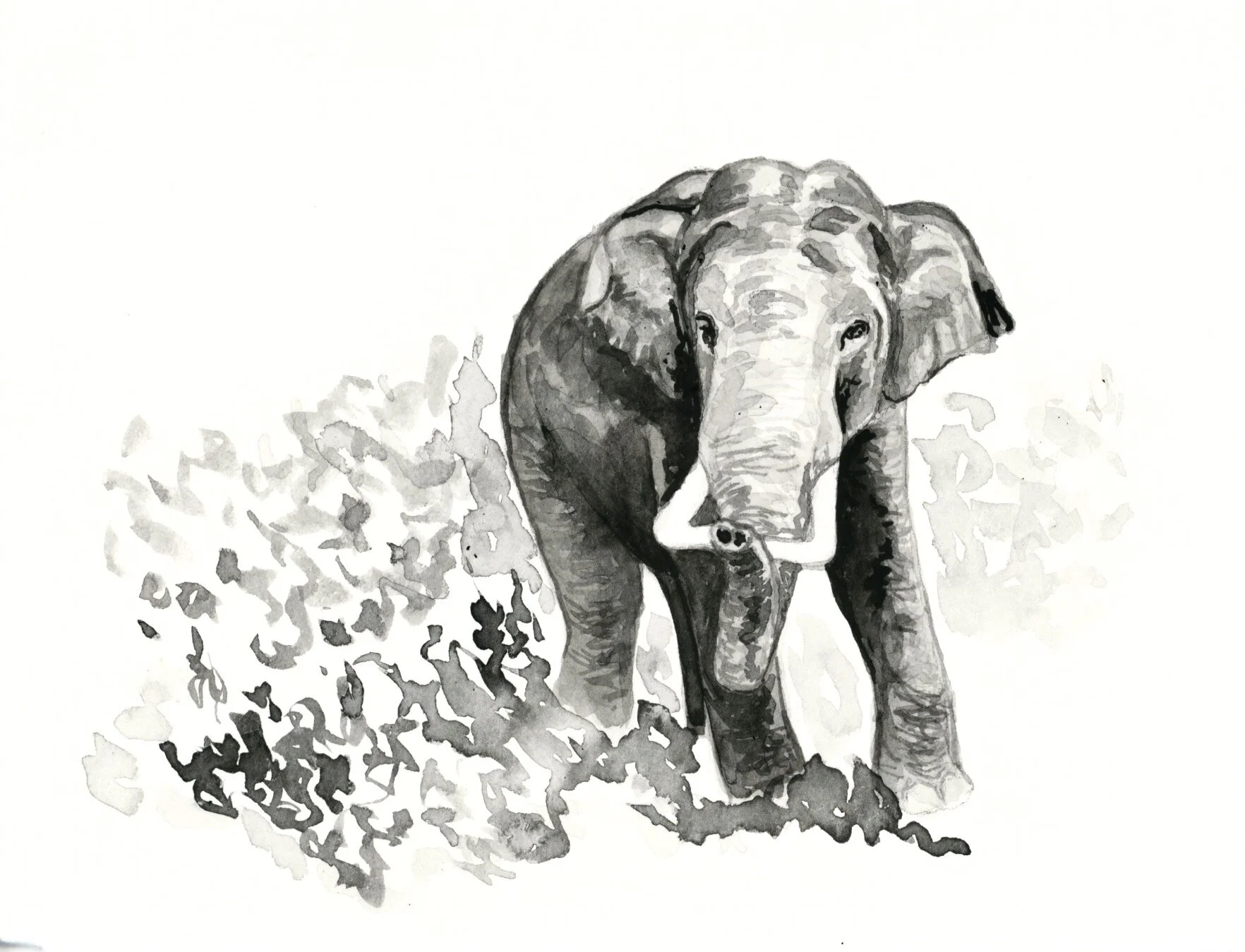
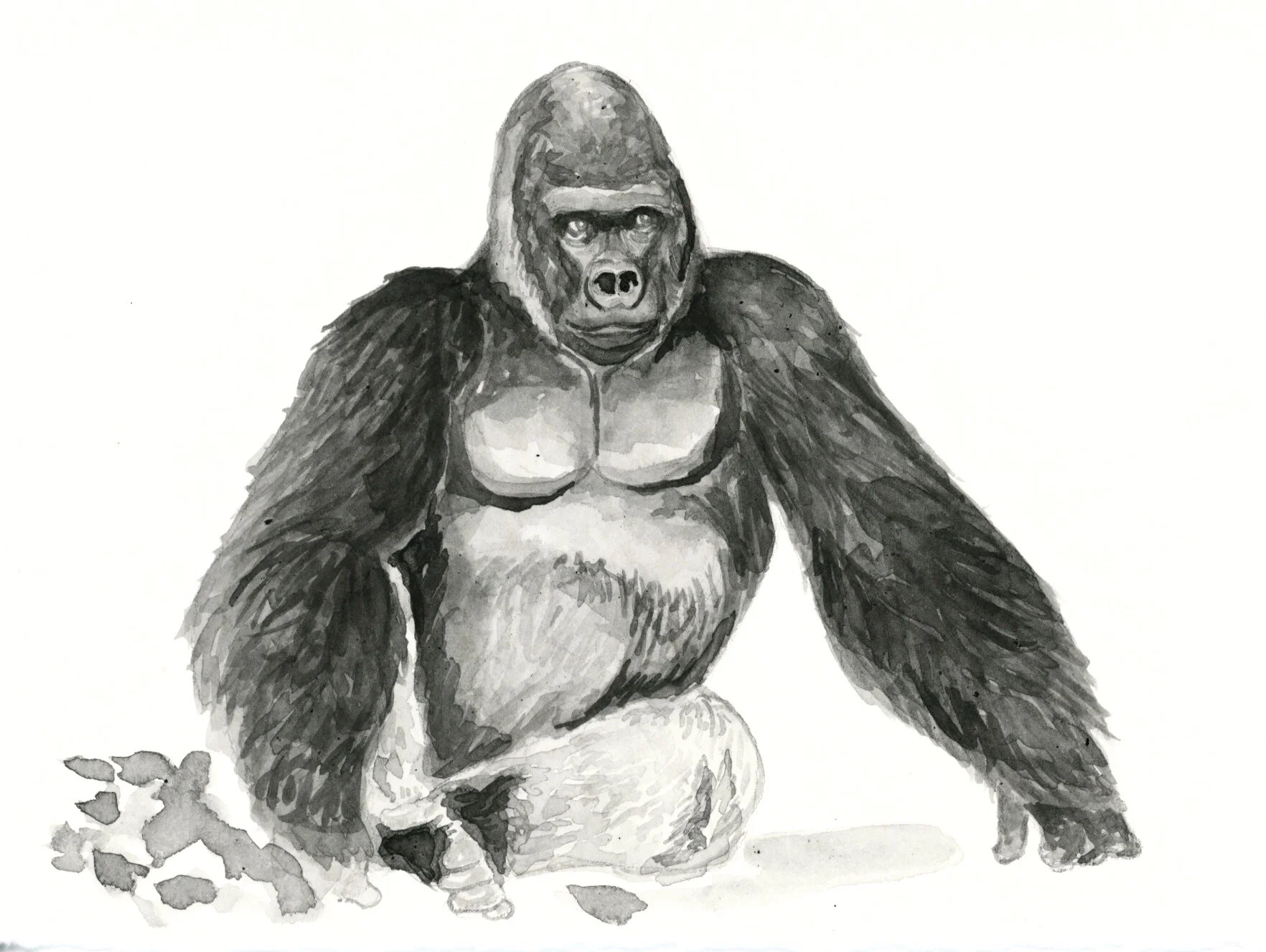
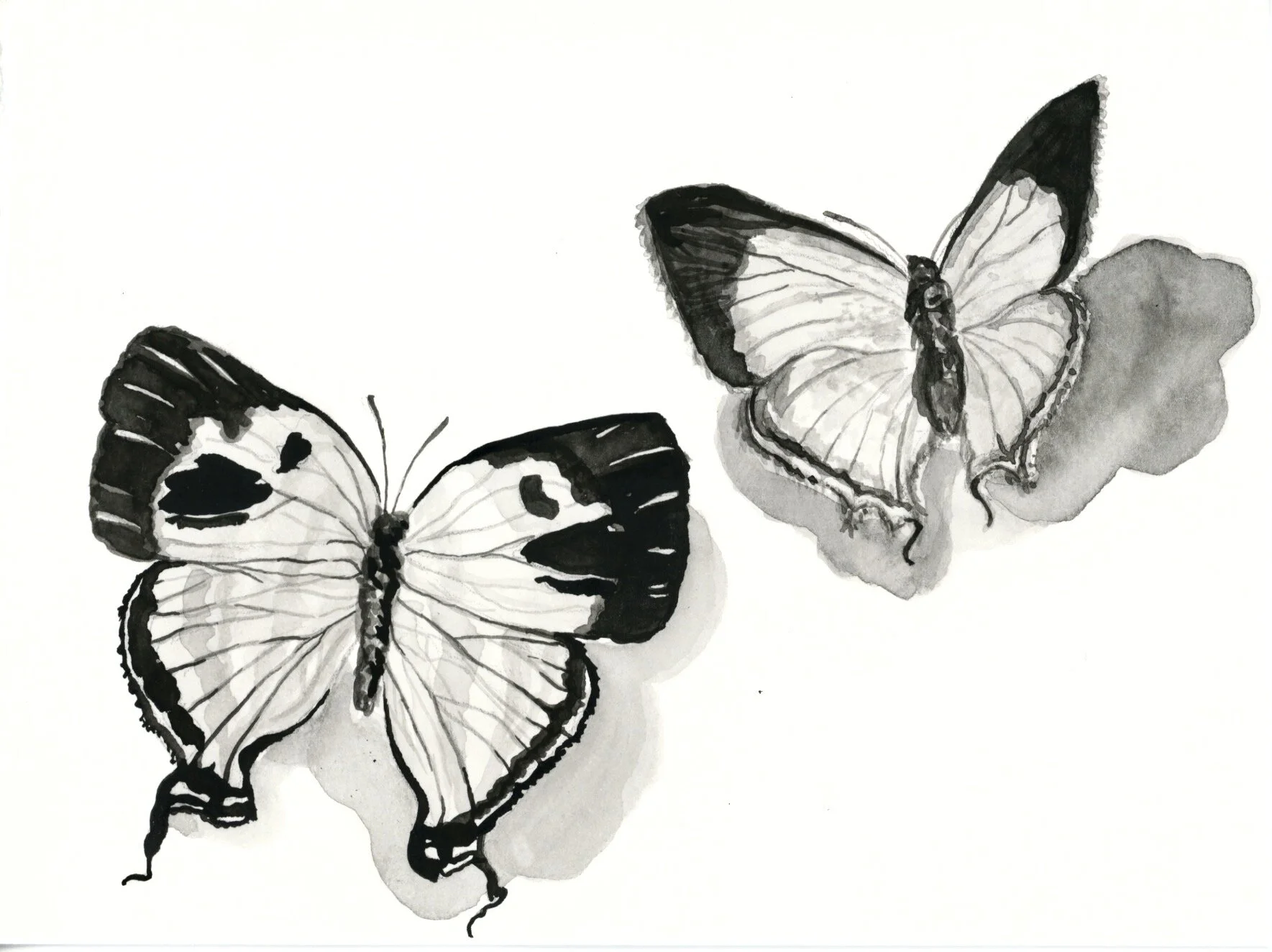
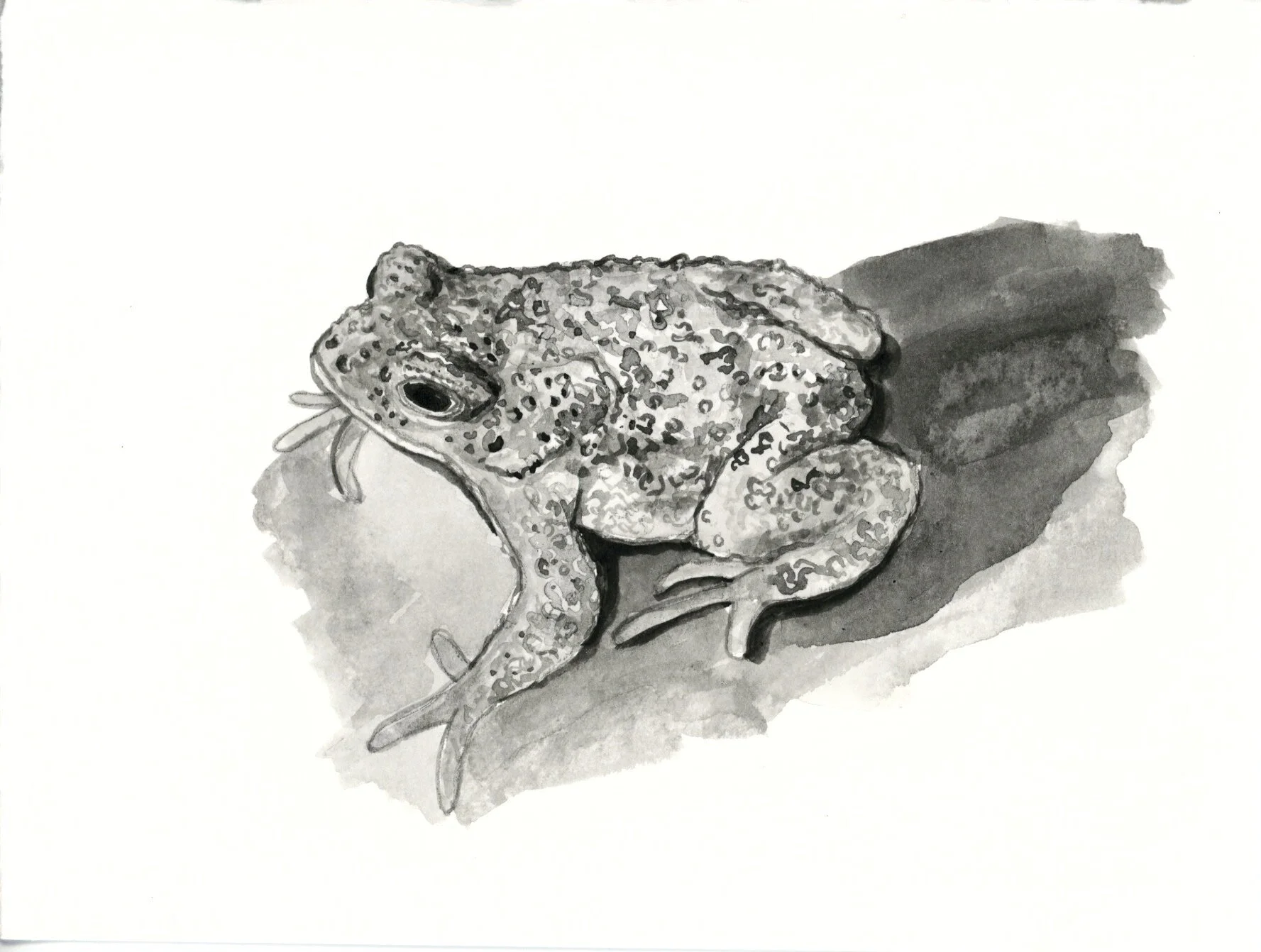
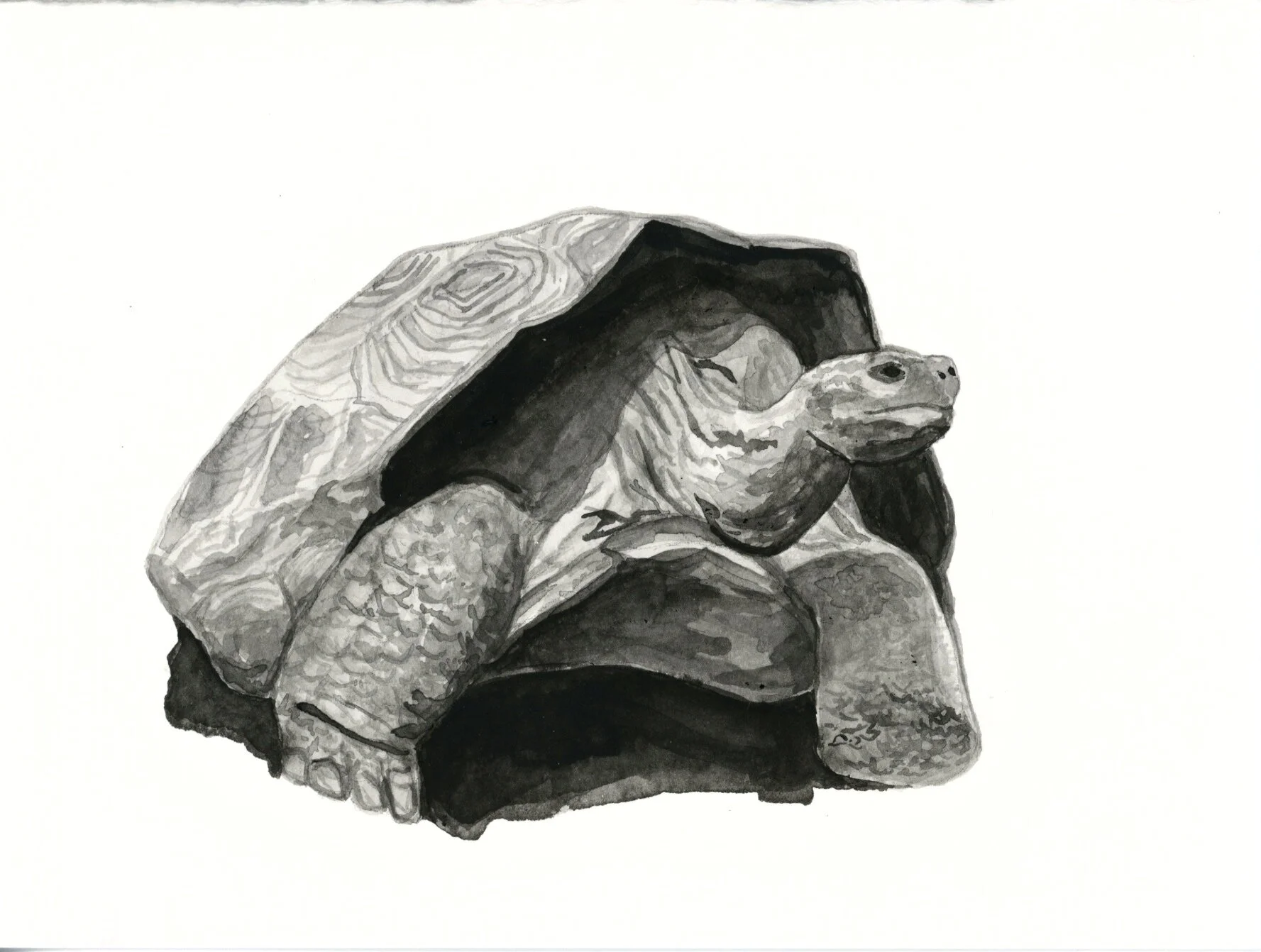
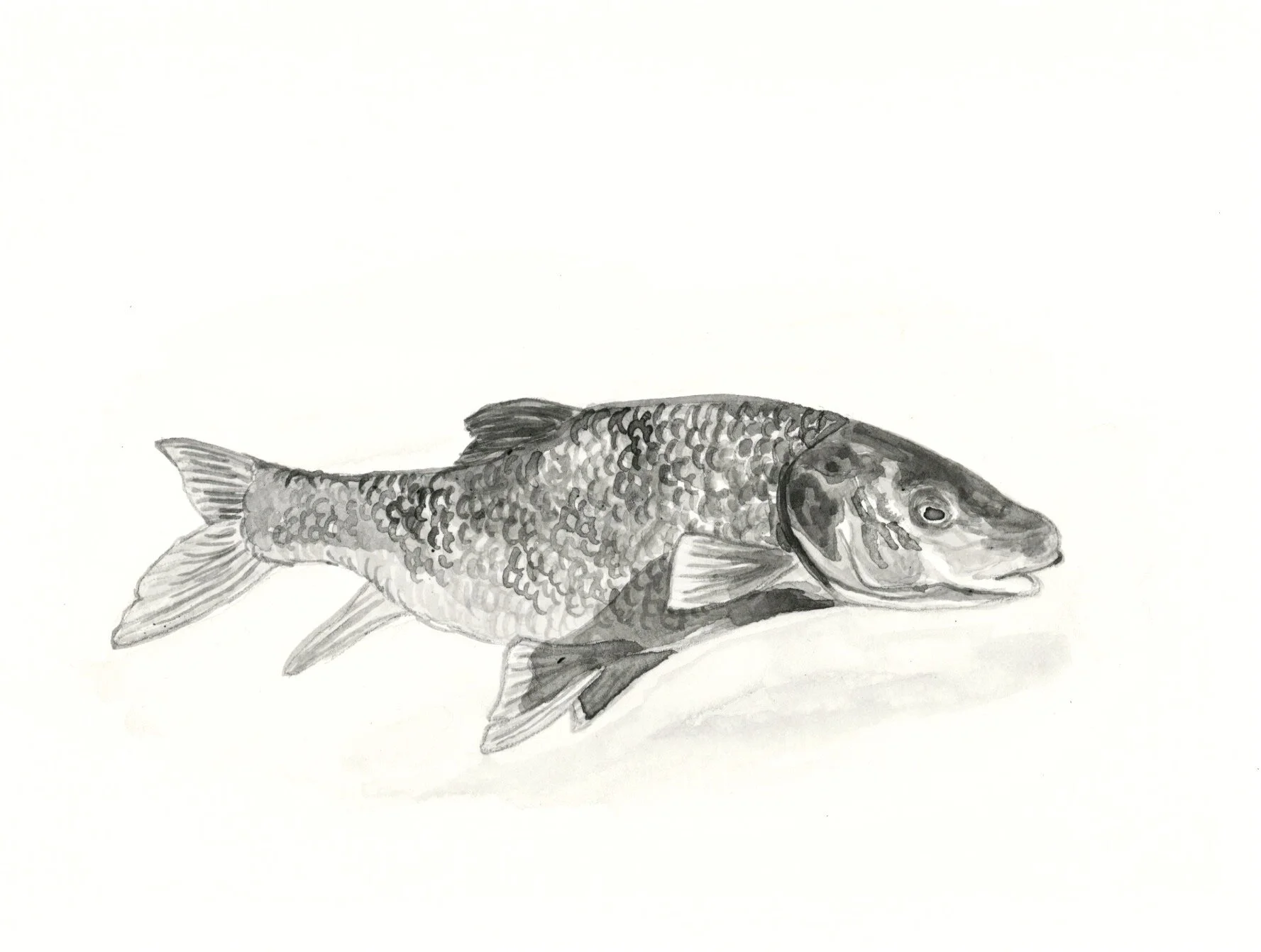
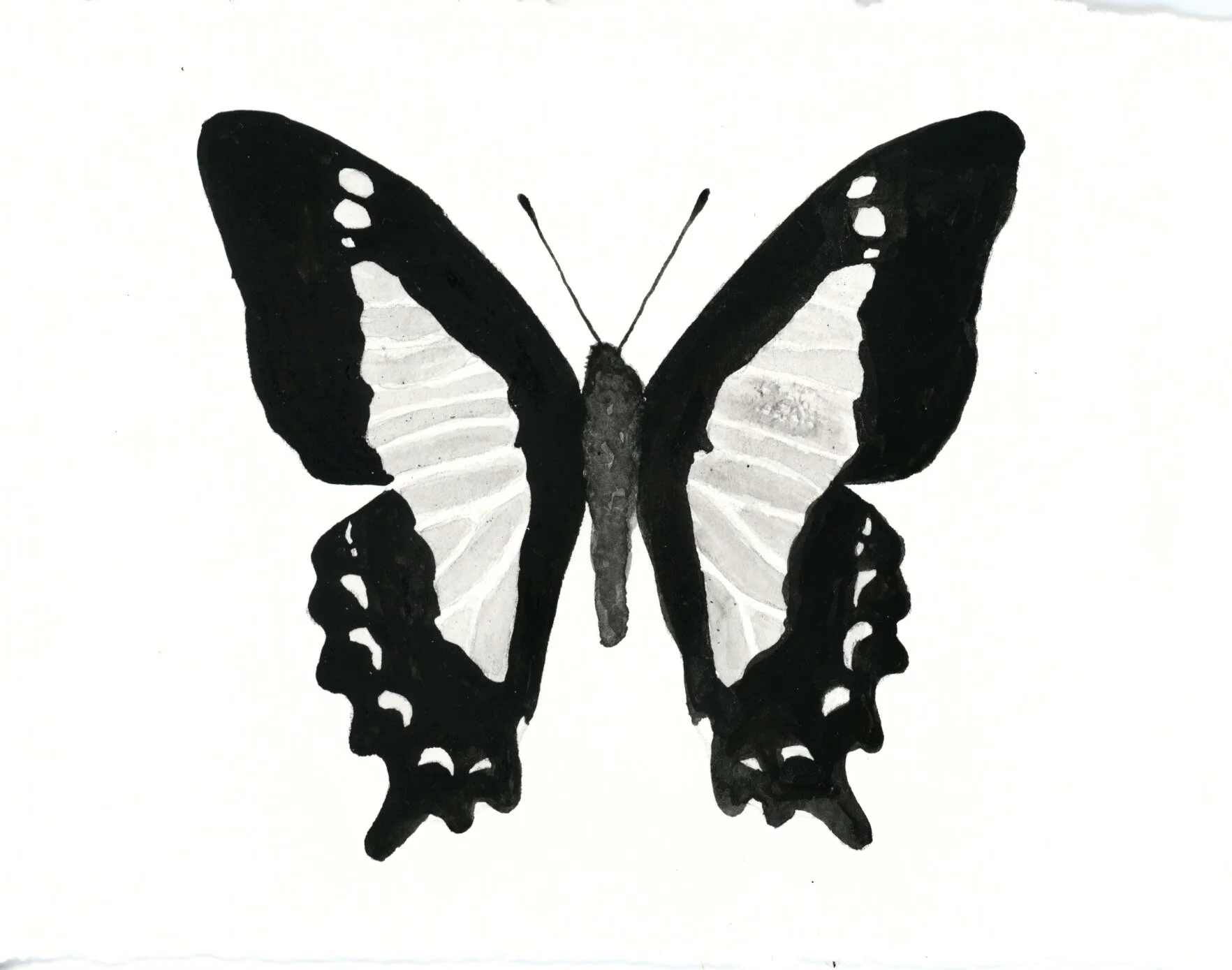
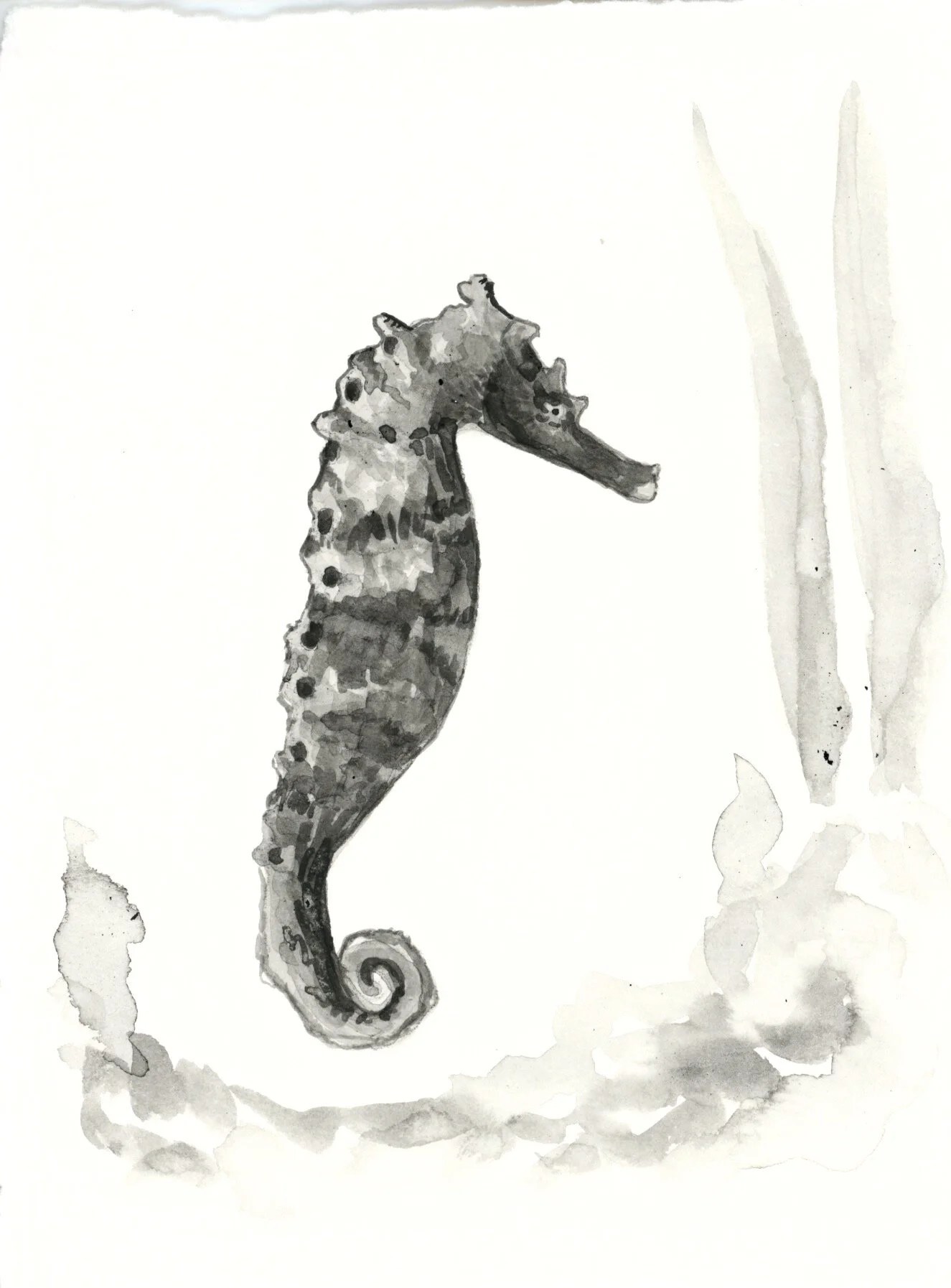
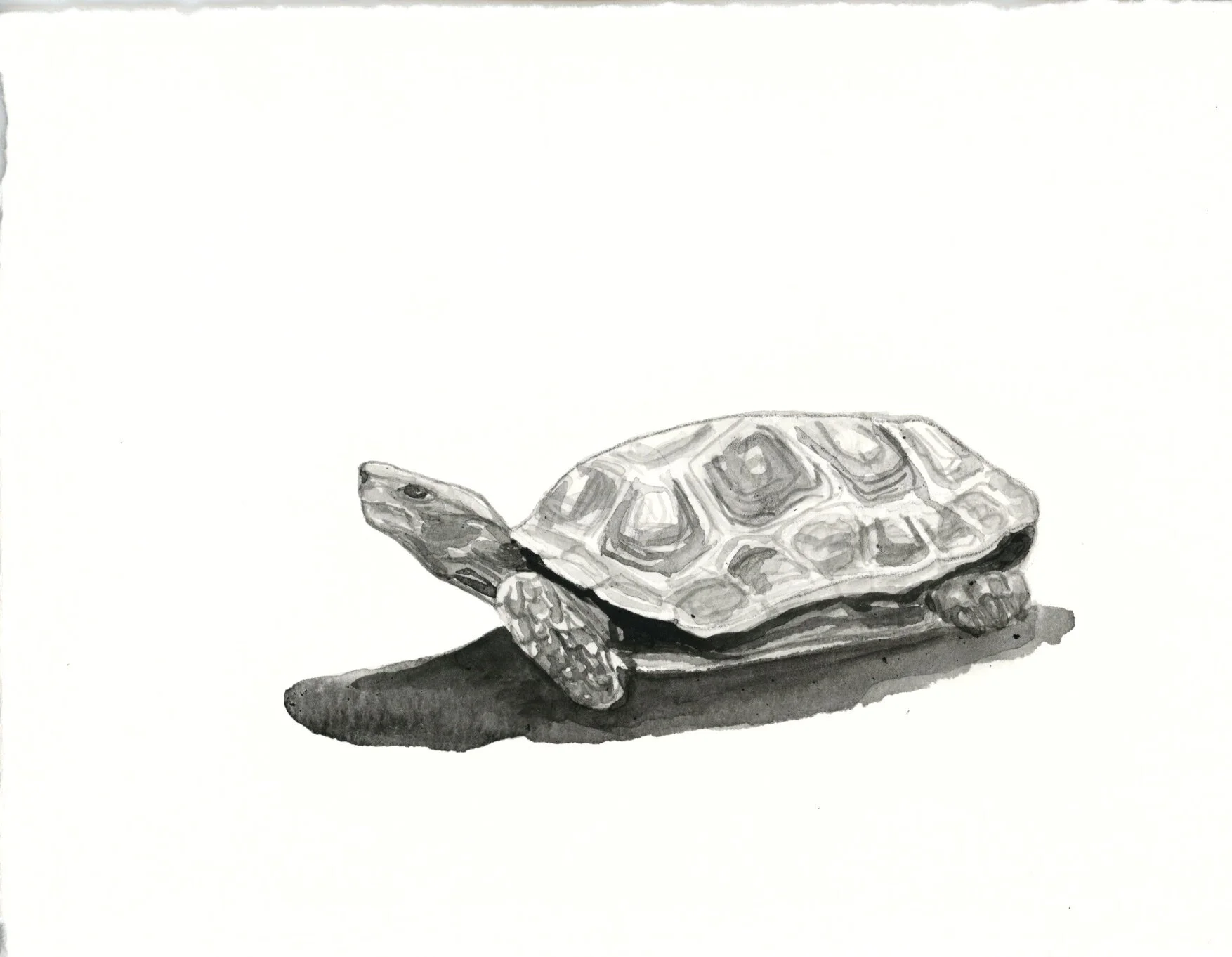
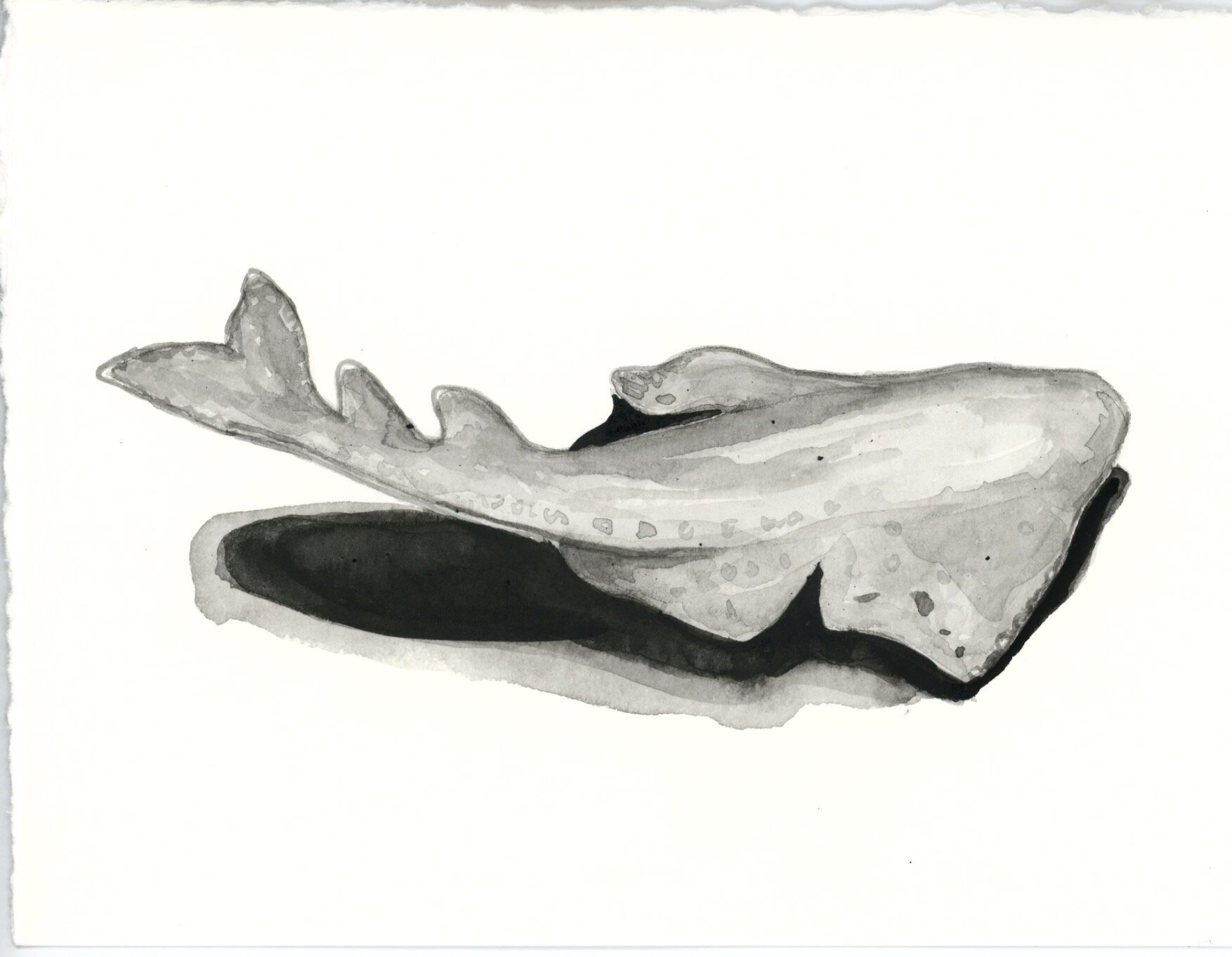
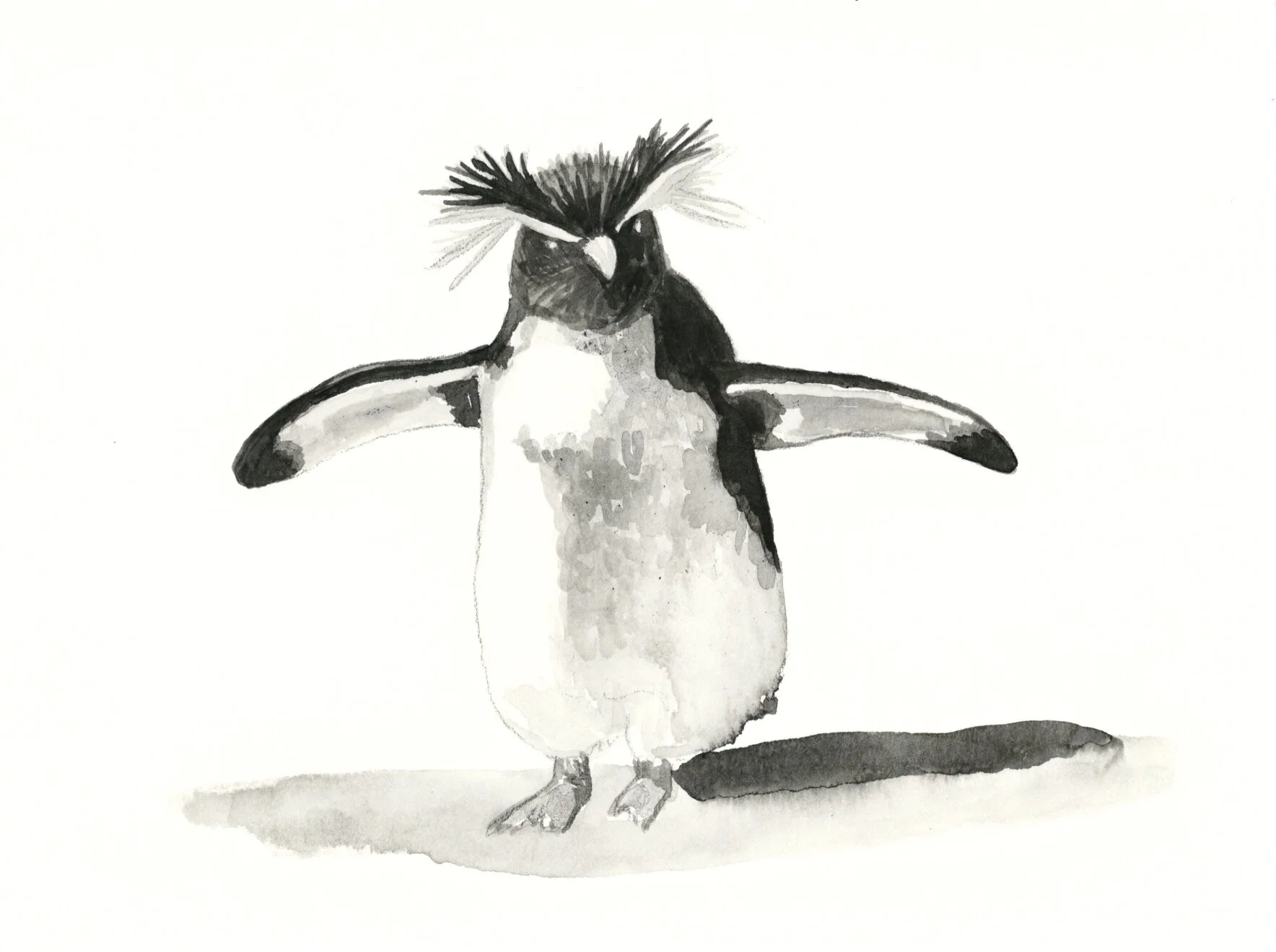
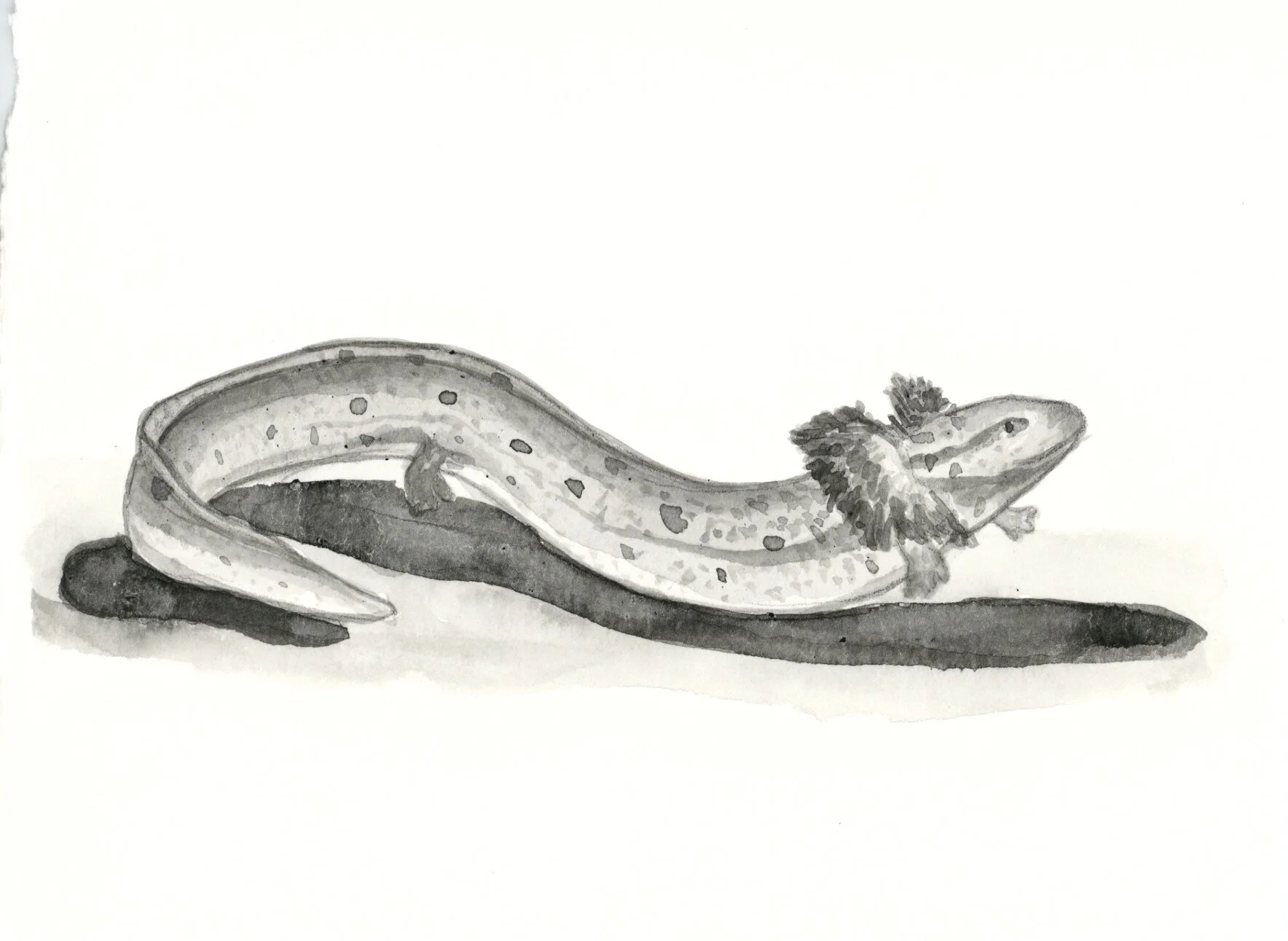
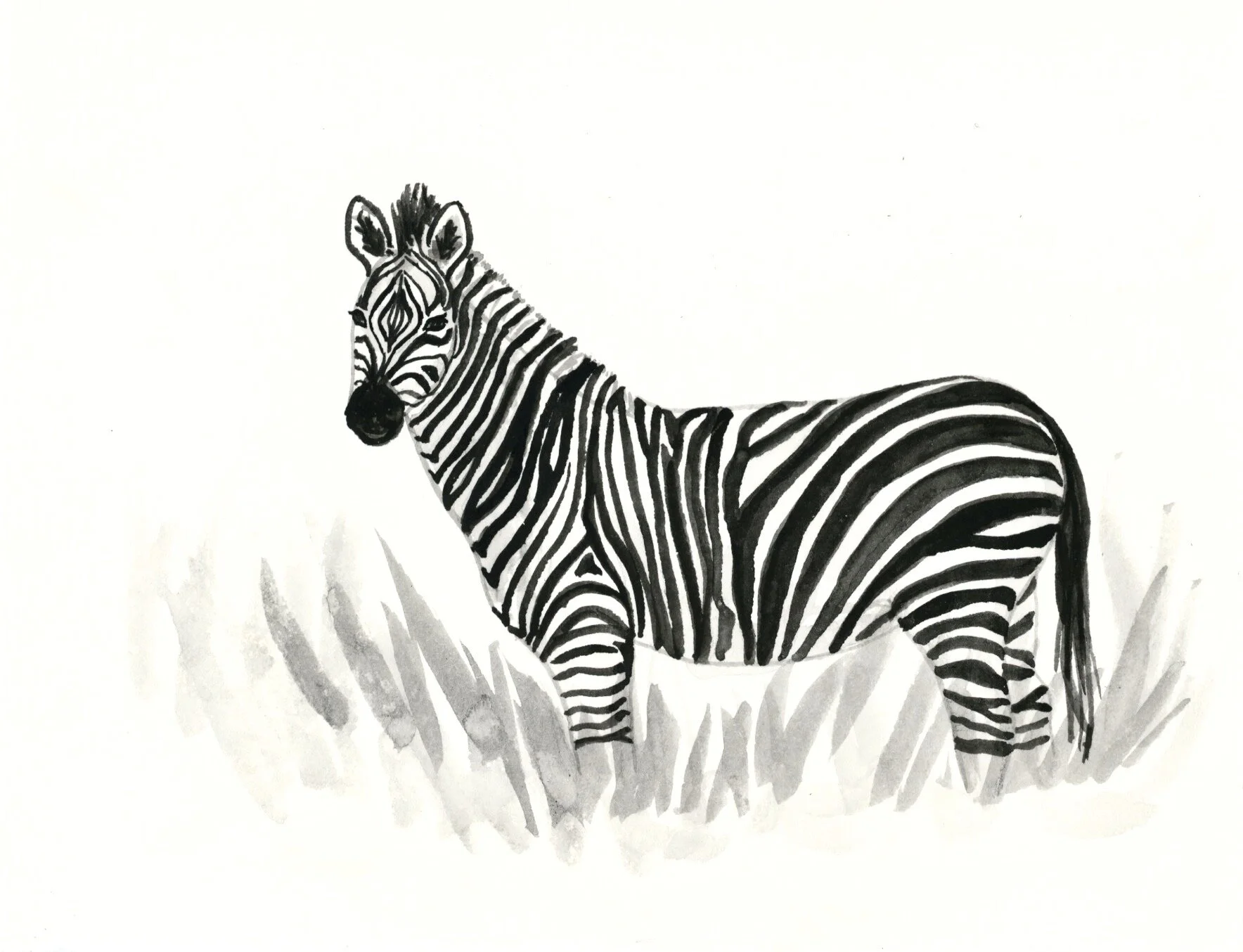
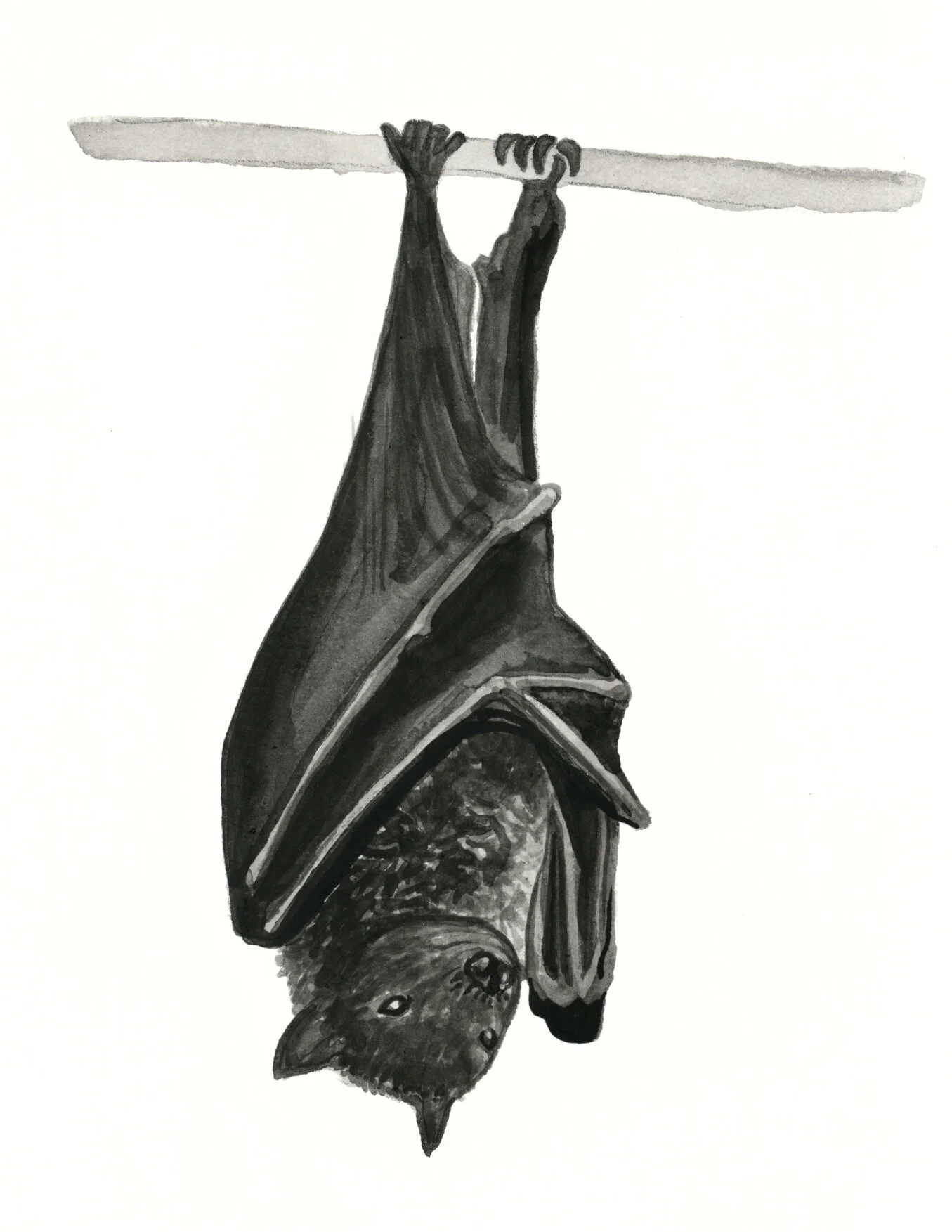

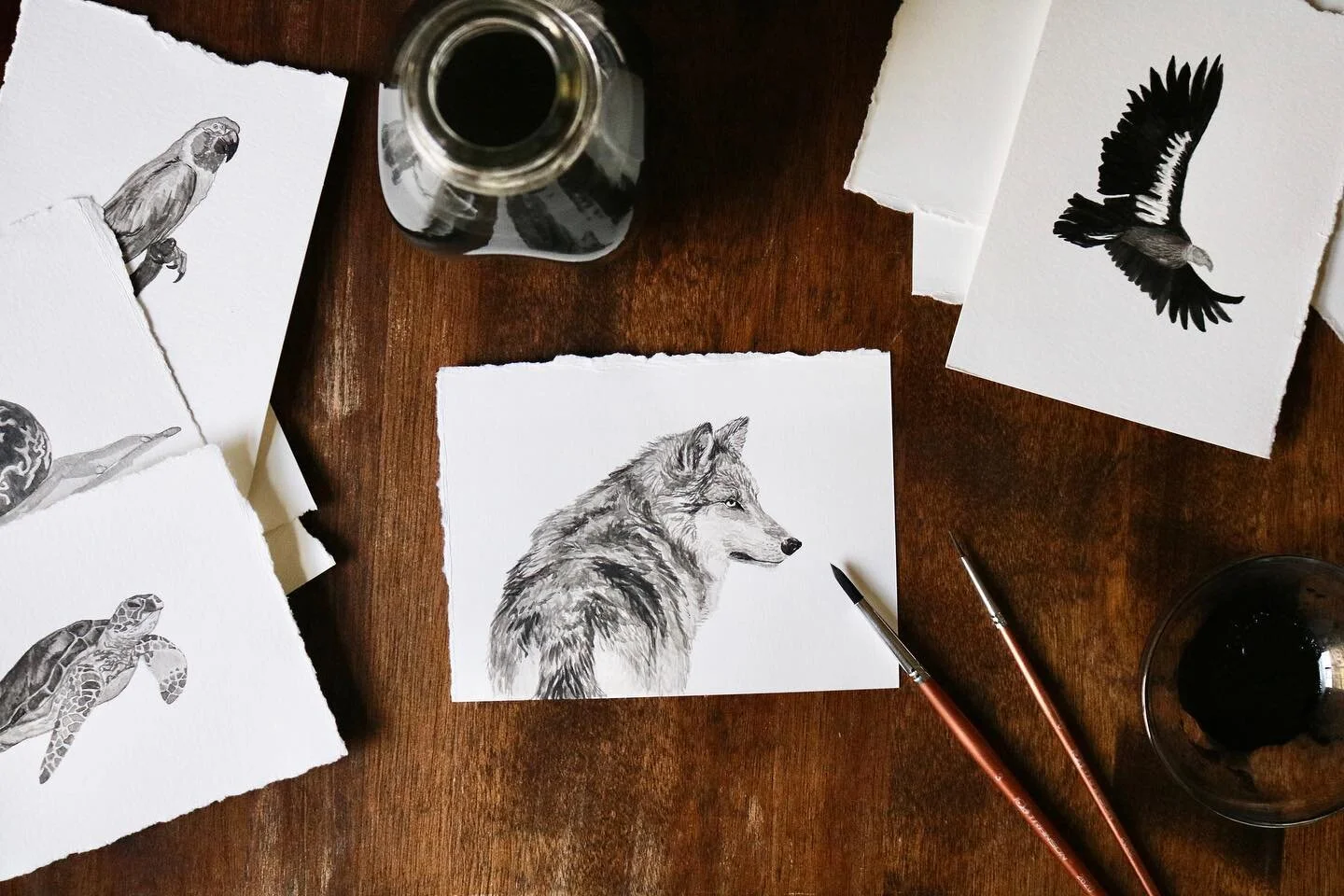
I created this series of work based off the (IUCN) International Union for Conservation of Nature and Natural Resources’ “Red List of Threatened Species.” My goal, to present an Inktober project with a purpose rather than a display for “likes” on social media.
IUCN resources have identified (as of September 2020), “5,220 threatened/endangered species, sub-species, varieties, stocks, and subpopulations including: 2,754 Animalia, 1 fungi, 2,464 planate, and 1 protista.”
My hope is to bring attention and to educate/become more educated myself, on the fleeting lives of this world. (Even if their names are tricky to pronounce) I hope you enjoy and learn something new! I also plan on making available postcard set and prints after the month of October.
FAQs
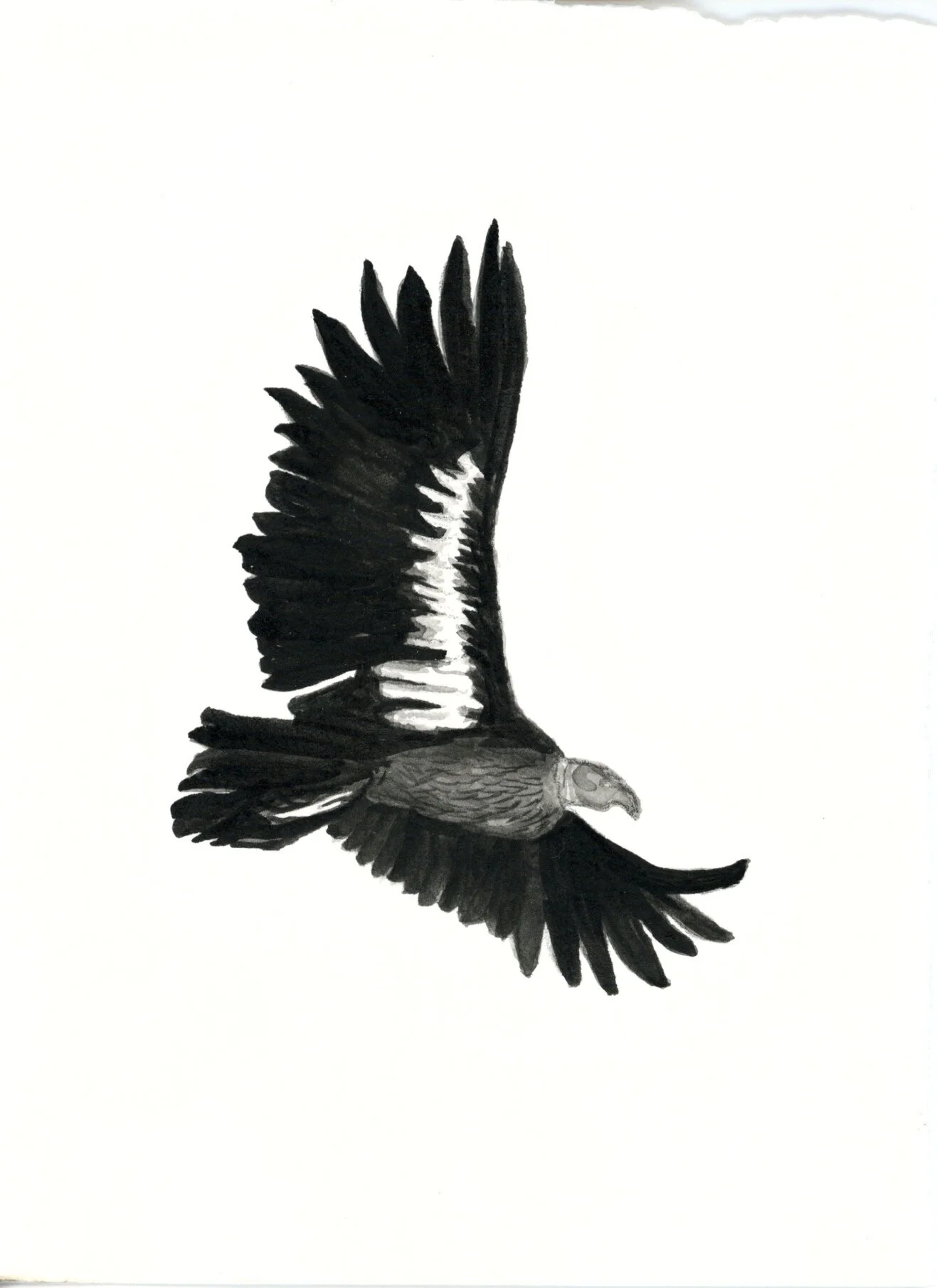
Day 1: California Condor
The first of my prompt list from the IUCN Endangered Red List, is the California Condor, once extinct in the wild through conservation breeding programs the condor has since been reintroduced to Western regions in North America. “According to the International Union for Conservation of Nature, the condor became critically endangered in the 20th century — one classification behind extinct in the wild. The decline came from poaching, habitat destruction and lead poisoning as condors scavenged for carrion containing lead shots.”
Quote & information from npr.org
Day 4: Siamese Crocodile
“This crocodile is classified as critically endangered on the IUCN Red List, and is listed on Appendix I of CITES. It is one of the most endangered crocodiles in the wild, although it is extensively bred in captivity.” [1, 2]
“Siamese crocodiles are under threat from human disturbance and habitat occupation, which is forcing remaining populations to the edges of their former range.[2] Extinct from 99% of its original range, the Siamese crocodile is considered one of the least studied and most critically endangered crocodilians in the world. Although few wild populations remain, more than 700,000 C. Siamese are held on commercial crocodile farms in Southeast Asia.”[3]
[1] IUCN Red List (November 2011). "Crocodylus Siamensis". IUCN. Retrieved 2011-11-29.
[2] Ross, R.P. "Crocodiles: Status Survey and Conservation Action Plan" (Second ed.). Archived from the original on 2011-12-24. Retrieved 2011-11-29
[3] Simpson, Boyd; Bezuijen (2010). "Siamese Crocodile Crocodylus Siamensis" (PDF). Crocodiles. Third Edition. Retrieved 2011-11-29.
Day 7: Kemp’s Ridley Sea Turtle
“Kemp's ridley sea turtle (Lepidochelys kempii), also called the Atlantic ridley sea turtle, is the [smallest and] rarest species of sea turtle and is critically endangered. [1] “Egg harvesting and pouching first depleted the numbers of Kemp's ridley sea turtles,[2] but today, major threats include habitat loss, pollution, and entanglement in shrimping nets... The turtles are popular in Mexico, as boot material and food.” [3]
[1] Rhodin AG, van Dijk PP, Iverson JB, Shaffer HB (2010). Rhodin AG, Pritchard PC, van Dijk PP, Saumure AR, Buhlmann KA, Iverson JB, Mittermeier RA (eds.). "Turtles of the World: Annotated Checklist of Taxonomy and Synonymy" (PDF). Chelonian Research Monographs. Chelonian Research Foundation and the Turtle Taxonomy Working Group of IUCN Species Survival Commission: 85–164. doi:10.3854/crm.5.000.checklist.v3.2010. Archived from the original (PDF) on 2011-07-17. Retrieved 2015-01-07.
[2] Ernst, Carl H. and Jeffrey E. Lovich. 2009. Turtles of the United States and Canada (2nd. ed.). The Johns Hopkins University Press. Baltimore, Maryland. xii, 827 pp. ISBN 978-0-8018-9121-2
[3] Yahoo.com, Endangered turtle nests found in Texas
Day 10: Black Rhino
“The species overall is classified as critically endangered (even though the south-western black rhinoceros is classified as near threatened). Three subspecies have been declared extinct, including the western black rhinoceros, which was declared extinct by the International Union for Conservation of Nature (IUCN) in 2011.” [1, 2]
[1] Emslie, R. (2011). "Diceros bicornis ssp. longipes". IUCN Red List of Threatened Species. 2011. Retrieved 24 September 2012.
[2] Knight, Matthew (10 November 2011) Western black rhino declared extinct. Us.cnn.com
Day 13: Dhole
“The dhole (/doʊl/; Cuon alpinus) is a canid native to Central, South, East Asia, and Southeast Asia. Other English names for the species include Asian wild dog, Asiatic wild dog, [1] Indian wild dog, [2] whistling dog, red dog, [3] and mountain wolf. [4] The dhole is a highly social animal, living in large clans without rigid dominance hierarchies [6] and containing multiple breeding females. [7] Such clans usually consist of 12 individuals, but groups of over 40 are known. [3] It is a diurnal pack hunter which preferentially targets medium- and large-sized ungulates.[8] In tropical forests, the dhole competes with tiger and leopard, targeting somewhat different prey species, but still with substantial dietary overlap.[9] It is listed as Endangered by the IUCN as populations are decreasing and are estimated at fewer than 2,500 adults. Factors contributing to this decline include habitat loss, loss of prey, competition with other species, persecution due to livestock predation and disease transfer from domestic dogs.” [5]
[1] Fox 1984
[2] Lydekker, R. (1907). The game animals of India, Burma, Malaya, and Tibet. London, UK: R. Ward Limited.
[3] Cohen J. A. (1978). "Cuon alpinus" (PDF). Mammalian Species. 100 (100): 1–3. doi:10.2307/3503800. JSTOR 3503800. Archived from the original (PDF) on 24 September 2015. Retrieved 8 December 2014.
[4] Perry, R. (1964). The World of the Tiger. London: Cassell.
[5] Kamler, J. F.; Songsasen, N.; Jenks, K.; Srivathsa, A.; Sheng, L. & Kunkel, K. (2015). "Cuon alpinus". IUCN Red List of Threatened Species. 2015: e.T5953A72477893.
[6] Fox 1984, p. 85
[7] Fox 1984, pp. 86–7
[8] Durbin, L. S.; Venkataraman, A.; Hedges, S.; Duckworth, W. (2004). "Dhole Cuon alpinus (Pallas 1811)" (PDF). In Sillero-Zubiri, C.; Hoffmann, M.; Macdonald, D. W. (eds.). Canids: Foxes, Wolves, Jackals and Dogs. Status Survey and Conservation Action Plan. Gland, Switzerland; Cambridge, UK: IUCN/SSC Canid Specialist Group. pp. x, 210–219.
[9] Karanth, K. U.; Sunquist, M. E. (1995). "Prey selection by tiger, leopard and dhole in tropical forests". Journal of Animal Ecology. 64 (4): 439–450. doi:10.2307/5647. JSTOR 5647.
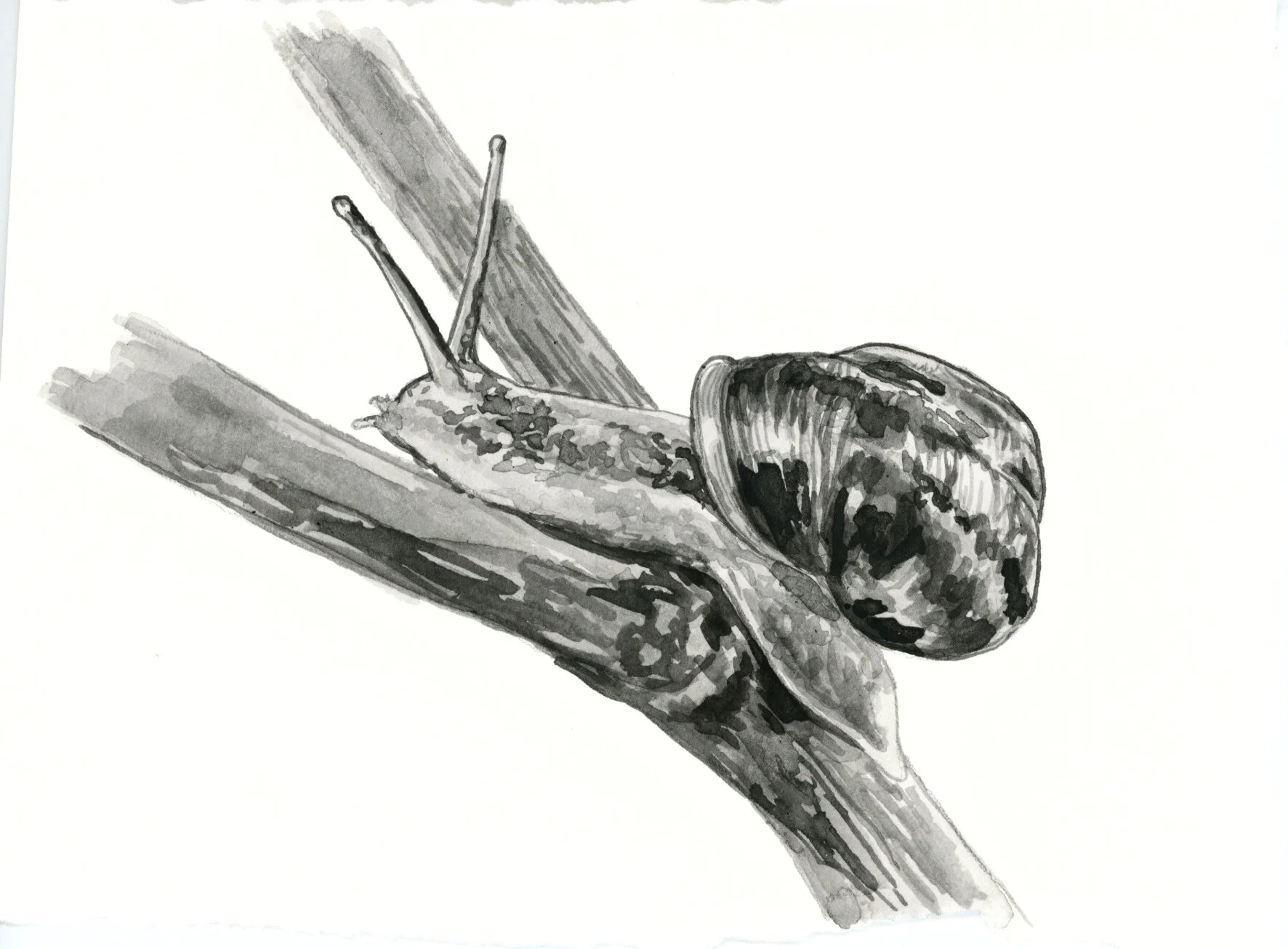
Day 16: Iberus Gualtieranus
“Iberus gualtieranus is a species of air-breathing land snail, a terrestrial pulmonate gastropod mollusk in the family Helicidae, the typical snails. Iberus gualtieranus is the type species of the genus Iberus.[1] This species is endemic to the Iberian Peninsula, Spain.[2]
[1] "Genus summary for Iberus ". AnimalBase, last modified 19 February 2008, accessed 26 June 2011.
[2] Arrébola, J. (2011). "Iberus gualtieranus". IUCN Red List of Threatened Species. 2011: e.T184948A8338429. doi:10.2305/IUCN.UK.2011-1.RLTS.T184948A8338429.en. Retrieved 2 February 2020.
Day 19: Eastern Lowland Gorilla
“It is the largest of the four gorilla subspecies. It has a jet black coat like the mountain gorilla (Gorilla beringei beringei), although the hair is shorter on the head and body. The male's coat, like that of other gorillas, greys as the animal matures, resulting in the designation "silverback".
There are far fewer eastern [Congo] lowland gorillas compared to western lowland gorillas. According to a 2004 report there were only about 5,000 eastern lowland gorillas in the wild, [1] down to fewer than 3,800 in 2016, [2] compared to over 100,000 western lowland gorillas. Outside their native range, only one female eastern lowland gorilla lives in captivity, at the Antwerp Zoo in Belgium.” [3][4]
“Threats to the eastern lowland gorilla's survival include poaching, civil unrest, and the destruction of gorilla habitat through logging, mining, and agriculture.” [5][6]
[1] Pickrell, J. (2004-03-21). "Eastern lowland gorilla numbers plunge to 5,000, study says". National Geographic News.
[2] Nuwer, Rachel, "Grauer’s Gorillas May Soon Be Extinct, Conservationists Say", New York Times, April 24, 2016. Retrieved 2016-04-25.
[3] Zootierliste".
[4] https://www.ippl.org/gibbon/wp-content/uploads/2011/03/Gorillas-done.pdf
[5] "Eastern lowland gorilla". World Wildlife Fund. Retrieved 23 October 2012.
[6] Nellemann, Christian; Redmond, Ian; Refisch, Johannes; United Nations Environment Programme (2010). The Last Stand of the Gorilla: Environmental Crime and Conflict in the Congo Basin (PDF). UNEP/Earthprint. p. 86. ISBN 9788277010762.
19. Eastern Lowland Gorilla
20. Apo Swallowtail Butterfly
21. Arawacus Aethesa
22. Chatham Island Giant Tortoise
23. Humbali Village Toad
24. South African Orange-Fringed Large Mouth Fish
25. Cape Seahorse
26. Asian Tortoise
27. Angular Angel Shark
28. Northern Rockhopper Penguin
29. Alabama Waterdog Salamander
30. Selous Zebra
31. Mariana Fruit Bat
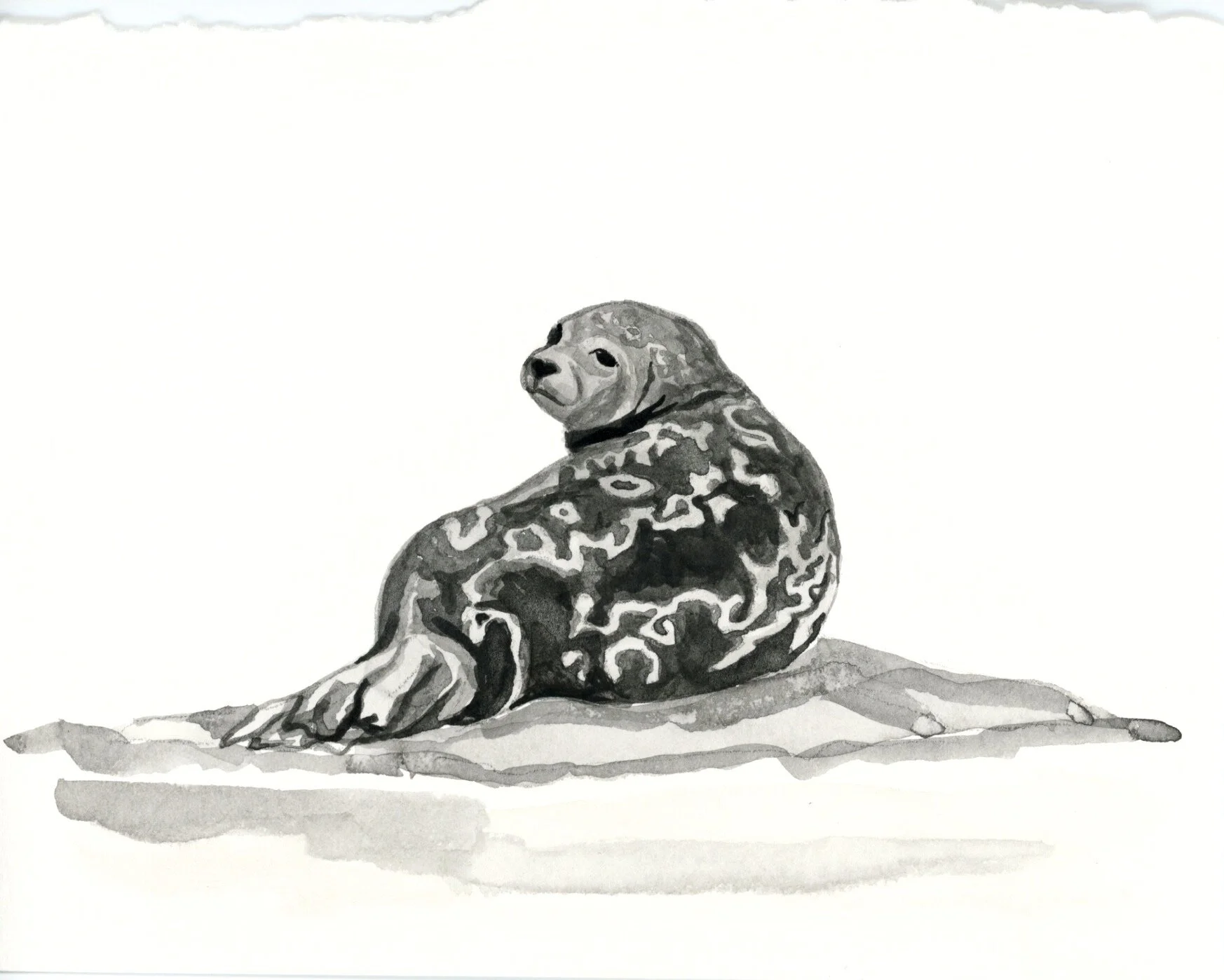
Day 2: Saimaa Ringed Seal
A subspecies to the Ringed seal, the Saimaa Ringed Seal is one of the most endangered seals in the world. “Having a total population of only about 400 individuals.”
https://wwf.fi/en/saimaa-ringed-seal/
“The only existing population of these seals is found in Lake Saimaa, Finland... They have lived in complete isolation from other ringed seal species for around 9,500 years and have diverged into a morphologically and ecologically different subspecies of ringed seal. The population is descended from ringed seals that were separated from the rest when the land rose after the last ice age. This seal, along with the Ladoga seal and the Baikal seal, is one of the few living freshwater seals.”
Palo, J.U. (2003). "Postglacial loss of microsatellite variation in the landlocked Lake Saimaa ringed seal". Conservation Genetics.
Day 5: Brown Spider Monkey
Among 25 of the worlds most endangered primates “The brown spider monkey or variegated spider monkey (Ateles hybridus) is a critically endangered species of spider monkey, a type of New World monkey, from forests in northern Colombia and northwestern Venezuela.” [1, 2]
“The population is estimated to have decreased by at least 80% and some populations have already been extirpated.[3] Few remaining populations are of adequate size to be viable long-term.” [4] “...an estimated 98% of its habitat already is gone. [5] Habitat loss is driven both by logging, and land clearance for agriculture and cattle ranches.” [4] “It is also threatened by hunting (in some regions it is the favorite game) and the wild animals trade.” [1]
[1] Groves, C. P. (2005). Wilson, D. E.; Reeder, D. M. (eds.). Mammal Species of the World: A Taxonomic and Geographic Reference (3rd ed.). Baltimore: Johns Hopkins University Press. p. 151. ISBN 0-801-88221-4. OCLC 62265494.
[2] Emmons, L. H. (1997). Neotropical Rainforest Animals. 2nd edition. Pp. 144. ISBN 0-226-20719-6
[3] Mittermeier, R.A.; Wallis, J.; Rylands, A.B.; Ganzhorn, J.U.; Oates, J.F.; Williamson, E.A.; Palacios, E.; Heymann, E.W.; Kierulff, M.C.M.; Long Yongcheng; Supriatna, J.; Roos, C.; Walker, S.; Cortés-Ortiz, L.; Schwitzer, C., eds. (2009). "Primates in Peril: The World's 25 Most Endangered Primates 2008–2010" (PDF). Illustrated by S.D. Nash. Arlington, VA.: IUCN/SSC Primate Specialist Group (PSG), International Primatological Society (IPS), and Conservation International (CI): 1–92. ISBN 978-1-934151-34-1
[4] Link, A.; Urbani, B.; Stevenson, P.R.; Mittermeier, R.A. (2020). "Ateles hybridus". IUCN Red List of Threatened Species. 2020: e.T39961A17929680. Retrieved 27 July 2020.
[5] Fundación ProAves (2010). Tragic demise of the Magdalena Spider Monkey. Retrieved 21 May 2010
Day 8: Mexican Wolf
“... native to southeastern Arizona, southern New Mexico, western Texas and northern Mexico. It is the smallest of North America's gray wolves,[1] and is similar to C. l. nubilus, though it is distinguished by its smaller, narrower skull and its darker pelt, which is yellowish-gray and heavily clouded with black over the back and tail...Though once held in high regard in Pre-Columbian Mexico,[4] it is the most endangered gray wolf in North America, having been extirpated in the wild during the mid-1900s through a combination of hunting, trapping, poisoning and digging pups from dens. After being listed under the Endangered Species Act in 1976, the United States and Mexico collaborated to capture all lobos remaining in the wild. This extreme measure prevented the lobos' extinction. Five wild Mexican wolves (four males and one pregnant female) were captured alive in Mexico from 1977 to 1980 and used to start a captive breeding program. From this program, captive-bred Mexican wolves were released into recovery areas in Arizona and New Mexico beginning in 1998 in order to assist the animals' recolonization of their former historical range.” [3]
[1] Mech, L. David (1981), The Wolf: The Ecology and Behaviour of an Endangered Species, University of Minnesota Press, p. 350, ISBN 0-8166-1026-6
[2] Valadez, R., Rodríguez, B., Manzanilla, L. & Tejeda, S. (2006), Dog-wolf hybrid biotype reconstruction from the archaeological city of Teotihuacan in prehispanic central Mexico Archived 2015-09-23 at the Wayback Machine, in Dogs and People in Social, Working, Economic or Symbolic Interaction, ed. L. M. Snyder & E. A. Moore, pp. 121-131, Oxford, England: Oxbow Books (Proceedings of the 9th ICAZ Conference, Durham, England, 2002.
[3] Nie, M. A. (2003), Beyond Wolves: The Politics of Wolf Recovery and Management, University of Minnesota Press, pp. 118-119, ISBN 0816639787
[4] Bailey, V. (1932), Mammals of New Mexico. U.S. Department of Agriculture, Bureau of Biological Survey. North American Fauna No. 53. Washington, D.C. Pages 303-308.
Day 11: Loggerhead Sea Turtle
“The loggerhead sea turtle is found in the Atlantic, Pacific, and Indian Oceans, as well as the Mediterranean Sea. It spends most of its life in saltwater and estuarine habitats, with females briefly coming ashore to lay eggs. The loggerhead sea turtle has a low reproductive rate; females lay an average of four egg clutches and then become quiescent, producing no eggs for two to three years. The loggerhead reaches sexual maturity within 17–33 years and has a lifespan of 47–67 years.... The loggerhead sea turtle is considered a vulnerable species by the International Union for the Conservation of Nature. In total, 9 distinct population segments are under the protection of the Endangered Species Act of 1973, with 4 population segments classified as "threatened" and 5 classified as "endangered" [1] Commercial trade of loggerheads or derived products is prohibited by CITES Appendix I. Untended fishing gear is responsible for many loggerhead deaths. The greatest threat is loss of nesting habitat due to coastal development, predation of nests, and human disturbances (such as coastal lighting and housing developments) that cause disorientations during the emergence of hatchlings.[2] Turtles may also suffocate if they are trapped in fishing trawls. Turtle excluder devices have been implemented in efforts to reduce mortality by providing an escape route for the turtles. Loss of suitable nesting beaches and the introduction of exotic predators have also taken a toll on loggerhead populations. Efforts to restore their numbers will require international cooperation, since the turtles roam vast areas of ocean and critical nesting beaches are scattered across several countries.”
[1] "Loggerhead Turtle (Caretta caretta)". NOAA Fisheries. NOAA. 22 February 2017. Retrieved 20 April 2018.
[2] "Information About Sea Turtles: Loggerhead Sea Turtle – Sea Turtle Conservancy"
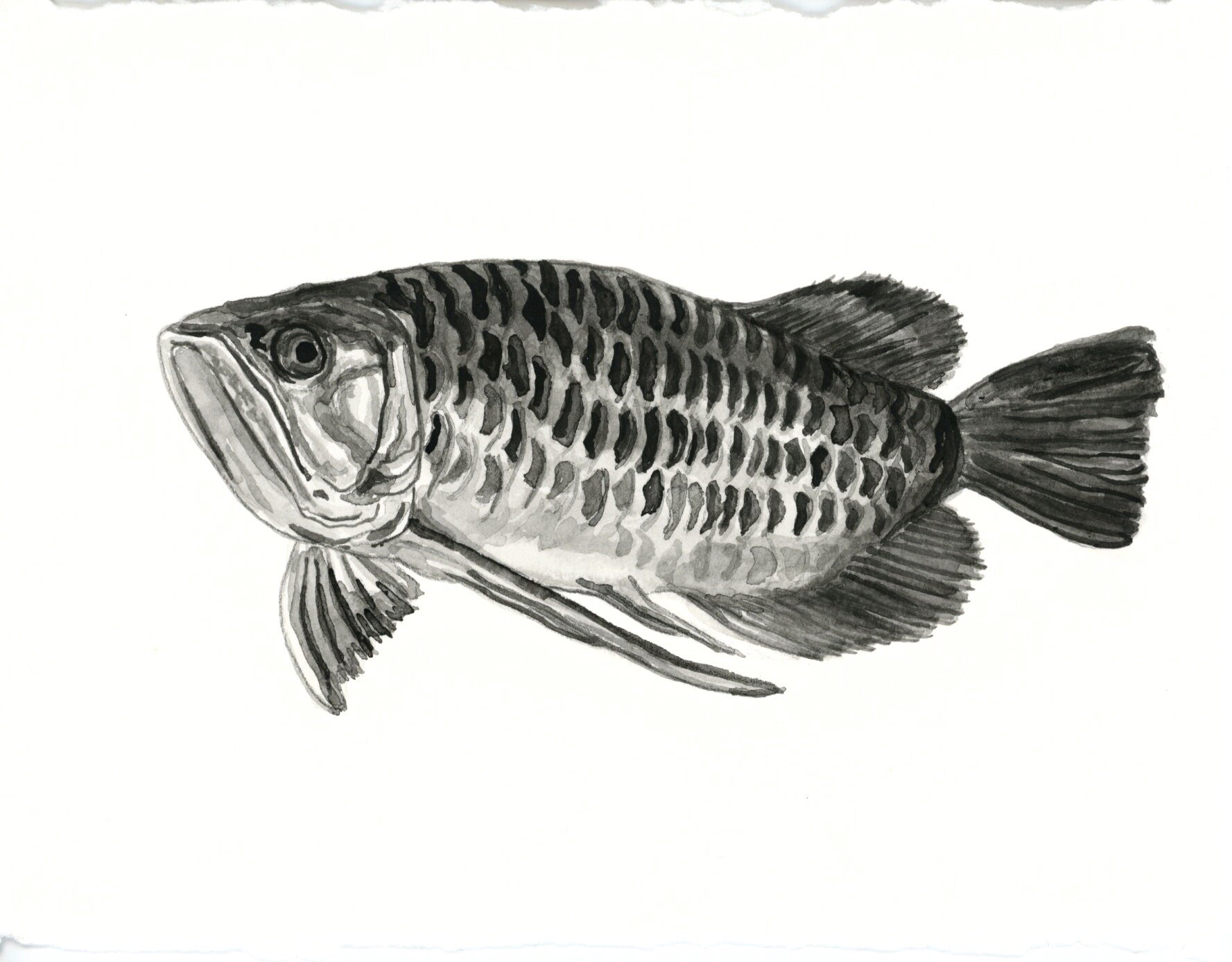
Day 14: Asian Arowana
“The Asian arowana (Scleropages formosus) comprises several phenotypic varieties of freshwater fish distributed geographically across Southeast Asia.... [1] Native to Southeast Asia, Asian arowanas inhabit blackwater rivers, slow-moving waters flowing through forested swamps and wetlands. Adults feed on other fish, while juveniles feed on insects. [2] These popular aquarium fish have special cultural significance in areas influenced by Chinese culture. The name 'dragonfish' stems from their resemblance to the Chinese dragon. This popularity has had both positive and negative effects on their status as endangered species.”
[1] Mu, Xi-dong; Hong-mei Song; Xue-jie Wang; Ye-xin Yang; Du Luo; Gand-en Gu; Jian-ren Luo; Yin-chang Hu (2012). "Genetic variability of the Asian arowana, Scleropages formosus, based on mitochondrial DNA genes". Biochemical Systematics and Ecology. 44: 141–148. doi:10.1016/j.bse.2012.04.017.
[2] "Fishbase - Scleropages formosus food items".
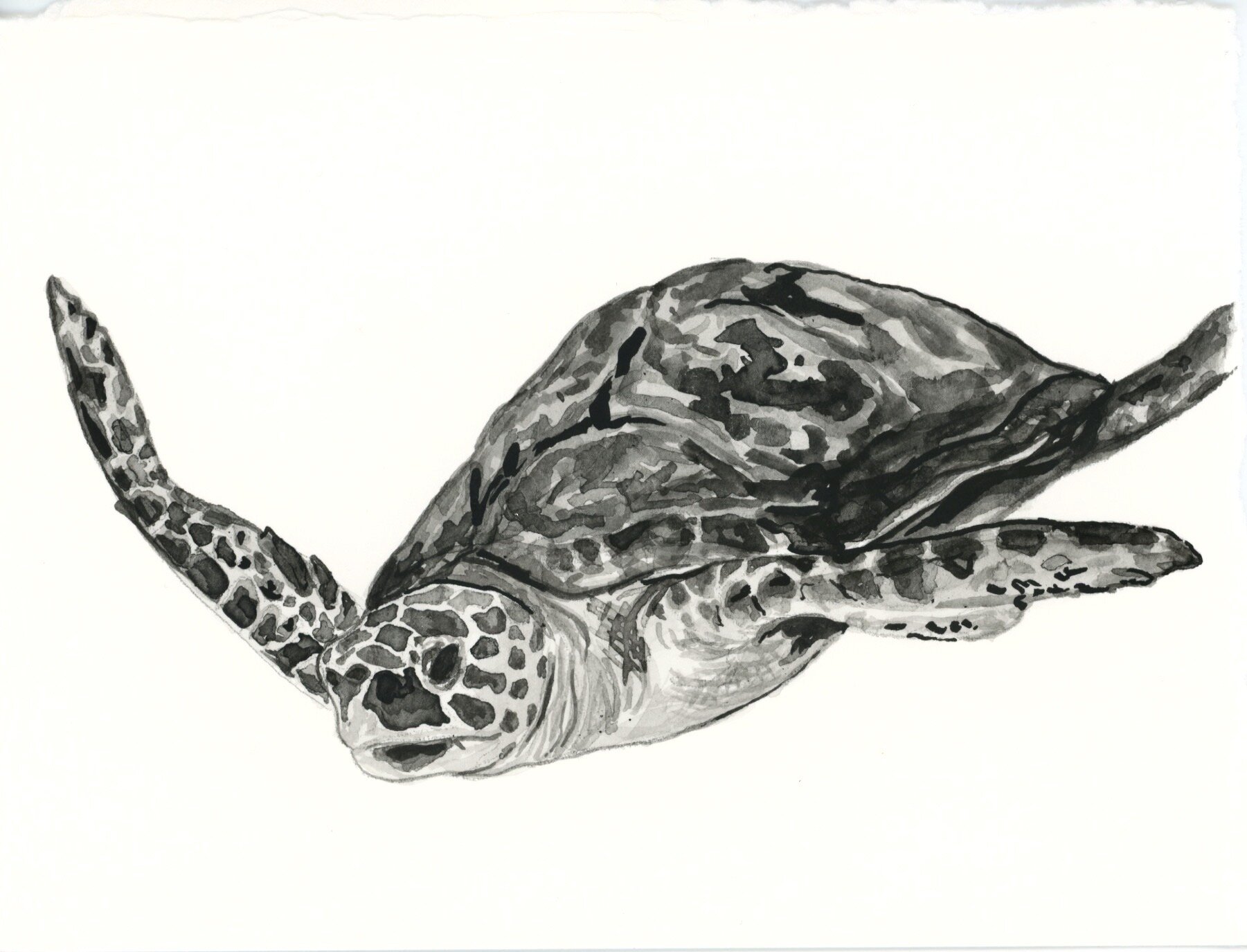
Day 17: Hawksbill Sea Turtle
“The hawksbill's appearance is similar to that of other marine turtles. In general, it has a flattened body shape, a protective carapace, and flipper-like limbs, adapted for swimming in the open ocean. E. imbricata is easily distinguished from other sea turtles by its sharp, curving beak with prominent tomium, and the saw-like appearance of its shell margins. Hawksbill shells slightly change colors, depending on water temperature. While this turtle lives part of its life in the open ocean, it spends more time in shallow lagoons and coral reefs. The World Conservation Union, primarily as a result of human fishing practices, classifies E. imbricata as critically endangered.[1] Hawksbill shells were the primary source of tortoiseshell material used for decorative purposes. The Convention on International Trade in Endangered Species outlaws the capture and trade of hawksbill sea turtles and products derived from them.” [2]
[1] Mortimer, J.A & Donnelly, M. (IUCN SSC Marine Turtle Specialist Group) (2008). "Eretmochelys imbricata". IUCN Red List of Threatened Species. 2008: e.T8005A12881238.
[2] CITES (2006-06-14). "Appendices". Convention on International Trade in Endangered Species of Wild Flora and Fauna. Archived from the original (SHTML) on 2007-02-03. Retrieved 2007-02-05.
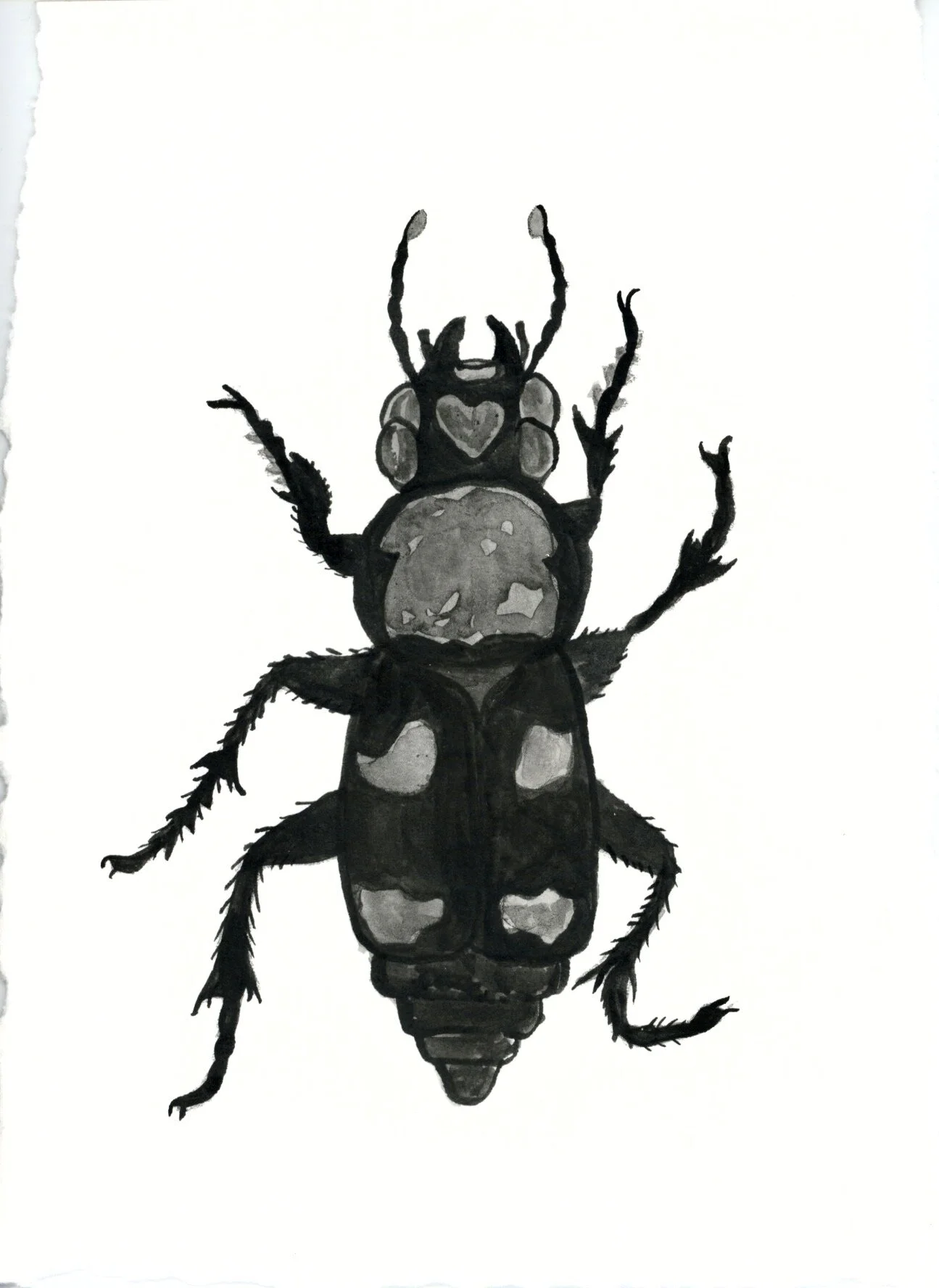
Day 3: American Burying Beetle
“American burying beetle or giant carrion beetle, is a critically endangered species of beetle endemic to North America. It belongs to the order Coleoptera and the family Silphidae. The carrion beetle in North America is carnivorous, feeds on carrion and requires carrion to breed. It is also a member of one of the few genera of beetle to exhibit parental care. The decline of the American burying beetle has been attributed to habitat loss, alteration, and degradation, and they now occur in less than 10% of their historic range.”
World Conservation Monitoring Centre (1996). "Nicrophorus americanus". IUCN Red List of Threatened Species. 1996
Day 6: Blue-throated Macaw
“Also known as the Caninde macaw or Wagler's macaw,[1] is a macaw endemic to a small area of north-central Bolivia, known as Los Llanos de Moxos. In 2014 this species was designated by law [2] as a natural patrimony of Bolivia, where it is known as barba azul, which means 'blue beard' in Spanish. Until 2010, it was hunted by natives to make feathered "Moxeño" headdresses for "machetero" ritual dances.[3] Recent population and range estimates suggest that about 350–400 individuals remain in the wild. Its demise was brought upon by nesting competition, avian predation, and a small native range, exacerbated by indigenous hunting and capture for the pet trade.”[4]
[1] "Ara glaucogularis". Retrieved 26 February 2014.
[2] “Ley Nº 584 – Declara Patrimonio Natural del Estado Plurinacional de Bolivia, a la Paraba Barba Azul (Ara glaucogularis)". www.ecolex.org (in Spanish). Retrieved 2017-12-20.
[3] “Six thousand macaws saved by Armonía's alternative feather program". Armonía Bolivia. 24 September 2016. Retrieved 11 February 2020.
[4] "Endangered and Threatened Wildlife and Plants; Listing the Blue-throated Macaw". Federal Register. 3 October 2013. Retrieved 11 February 2020.
Day 9: American Bison
“The American bison or simply bison (Bison bison), also commonly known as the American buffalo or simply buffalo, is an American species of bison that once roamed North America in vast herds. Its historical range, by 9000 BCE, is described as the great bison belt, a tract of rich grassland that ran from Alaska to the Gulf of Mexico, east to the Atlantic Seaboard (nearly to the Atlantic tidewater in some areas) as far north as New York and south to Georgia and, according to some sources, down to Florida, with sightings in North Carolina near Buffalo Ford on the Catawba River as late as 1750. [2][3][4] It nearly became extinct by a combination of commercial hunting and slaughter in the 19th century and introduction of bovine diseases from domestic cattle. With a population in excess of 60 million in the late 18th century, the species was down to just 541 animals by 1889. Recovery efforts expanded in the mid-20th century, with a resurgence to roughly 31,000 [5] wild bison today, largely restricted to a few national parks and reserves. Through multiple reintroductions, the species is now also freely roaming wild in some regions in Yakutia as well as Mexico.”
[2] Project Gutenburg E Book – The Extermination of the American Bison
[3] "American Buffalo (Bison bison) species page". U.S. Fish and Wildlife Service. Retrieved February 24, 2013.
[4] William T. Hornaday, Superintendent of the National Zoological Park (February 10, 2006) [1889]. The Extermination of the American Bison. Smithsonian Institution. Retrieved on February 24, 2013.
[5] Aune, K., Jørgensen, D. & Gates, C. 2017. Bison bison (errata version published in 2018). The IUCN Red List of Threatened Species 2017: e.T2815A123789863. https://doi.org/10.2305/IUCN.UK.2017-3.RLTS.T2815A45156541.en. Downloaded on 06 March 2019.
Day 12: Helix Texta
“Helix texta (Hebrew: שבלול החרמון) is a species of large, edible, air-breathing land snail, a terrestrial pulmonate gastropod mollusk in the family Helicidae, the typical snails. This species is endemic to Israel. It lives in the high northern part of Israel, typically in the Hermon ridge area. It is the largest Israeli snail with a shell of diameter 55 mm. It is active during autumn (which is November in Israel), when it eats and mates. When the cold winter comes the snail enter hibernation until the next autumn. This snail lives several years and mates usually only a year after hatching from the egg. The size of the egg is 5.5 mm.” [1,2]
[1] Heller J.: Life History Strategies. in Barker G. M. (ed.): The biology of terrestrial molluscs. CABI Publishing, Oxon, UK, 2001, ISBN 0-85199-318-4. 1-146, cited page: 428.
[2] Heller J. 1996. Helix texta. 2006 IUCN Red List of Threatened Species. Archived 27 June 2014 at the Wayback Machine Downloaded on 7 August 2007.
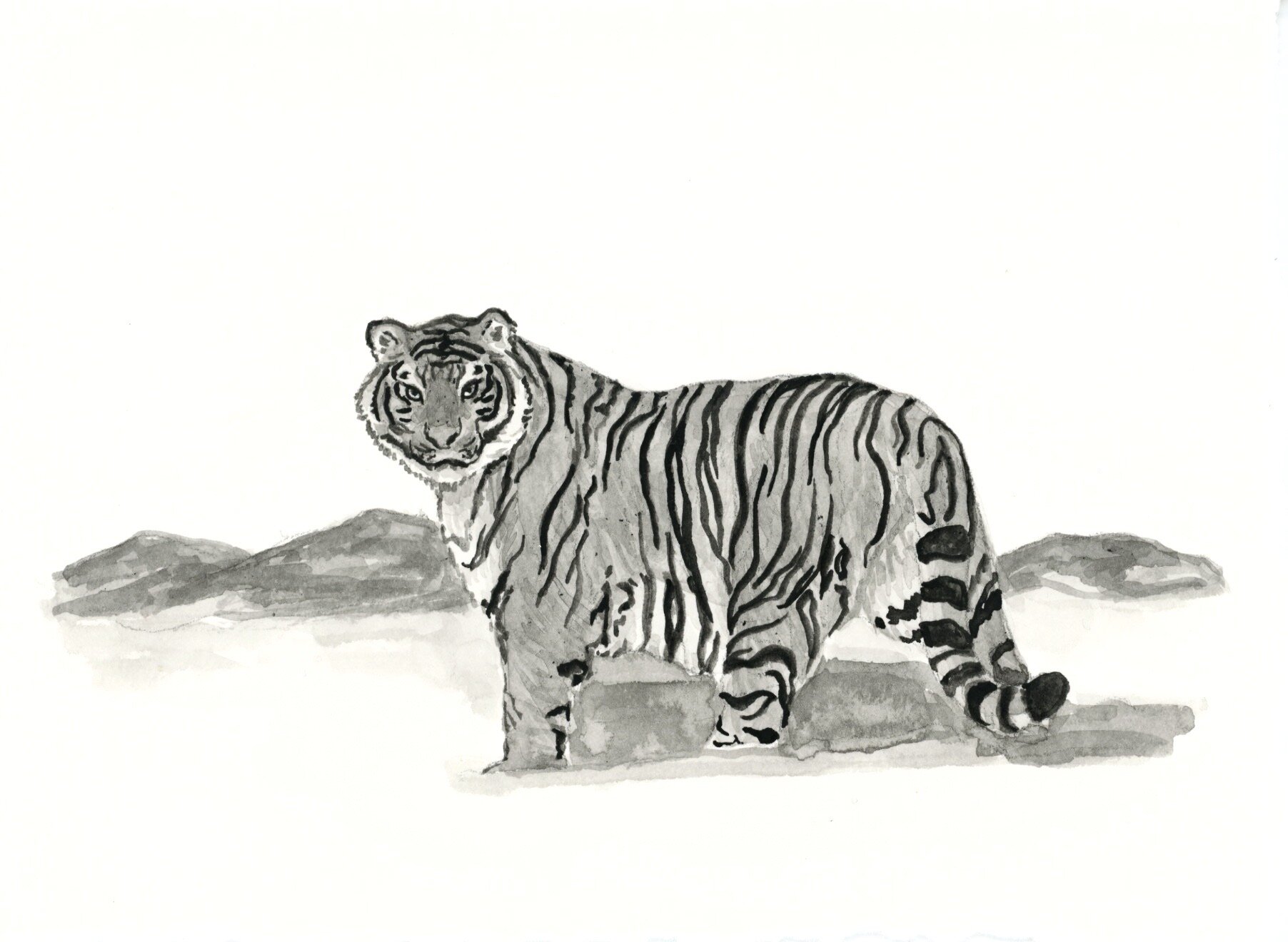
Day 15: Siberian Tiger
“The Siberian tiger is a population of the Panthera tigris tigris subspecies that is native to the Russian Far East, Northeast China,[1] and possibly North Korea.[2] It once ranged throughout the Korean Peninsula, north China, and eastern Mongolia. Today, this population inhabits mainly the Sikhote-Alin mountain region in southwest Primorye Province in the Russian Far East. In 2005, there were 331–393 adult and subadult Siberian tigers in this region, with a breeding adult population of about 250 individuals. The population had been stable for more than a decade because of intensive conservation efforts, but partial surveys conducted after 2005 indicate that the Russian tiger population was declining.[3] An initial census held in 2015 indicated that the Siberian tiger population had increased to 480–540 individuals in the Russian Far East, including 100 cubs.[4][5] This was followed up by a more detailed census which revealed there was a total population of 562 wild Siberian tigers in Russia.[6] As of 2014, about 35 individuals were estimated to range in the international border area between Russia and China.” [7] Deforestation, poaching, and lack of genetic diversity in breeding adult tigers are the leading threats of extinction in the Siberian tiger.” [8]
[1] Kitchener, A. C.; Breitenmoser-Würsten, C.; Eizirik, E.; Gentry, A.; Werdelin, L.; Wilting, A.; Yamaguchi, N.; Abramov, A. V.; Christiansen, P.; Driscoll, C.; Duckworth, J. W.; Johnson, W.; Luo, S.-J.; Meijaard, E.; O’Donoghue, P.; Sanderson, J.; Seymour, K.; Bruford, M.; Groves, C.; Hoffmann, M.; Nowell, K.; Timmons, Z. & Tobe, S. (2017). "A revised taxonomy of the Felidae: The final report of the Cat Classification Task Force of the IUCN Cat Specialist Group" (PDF). Cat News (Special Issue 11): 66−68.
[2] Rak, K. C.; Miquelle, D. G. & Pikunov, D. G. (1998). A survey of tigers and leopards and prey resources in the Paektusan area, North Korea, in winter (Report). Retrieved 16 June 2012.
[3] Goodrich, J.; Lynam, A.; Miquelle, D.; Wibisono, H.; Kawanishi, K.; Pattanavibool, A.; Htun, S.; Tempa, T.; Karki, J.; Jhala, Y. & Karanth, U. (2015). "Panthera tigris". IUCN Red List of Threatened Species. 2015: e.T15955A50659951.
[4] WWF Russia (2015). "Russia Announce Tiger Census Results!". tigers.panda.org. Worldwide Fund for Nature. Retrieved June 7, 2015.
[5] Hance, J. (2015). "Happy tigers: Siberian population continues to grow". Mongabay.com. Retrieved 13 June 2015.
[6] The Siberian Times reporter (2015). "Sex imbalance as endangered Siberian tigers show signs of recovery". The Siberian Times. Retrieved 18 December 2015.
[7] Xiao, W.; Feng, L.; Mou, P.; Miquelle, D. G.; Hebblewhite, M.; Goldberg, J. F.; Robinson, H. S.; Zhao, X.; Zhou, B.; Wang, T. & Ge, J. (2016). "Estimating abundance and density of Amur tigers along the Sino–Russian border". Integrative Zoology. 11 (4): 322−332. doi:10.1111/1749-4877.12210. PMID 27136188.
[8] Driscoll, C. A.; Yamaguchi, N.; Bar-Gal, G. K.; Roca, A. L.; Luo, S.; Macdonald, D. W. & O'Brien, S. J. (2009). "Mitochondrial Phylogeography Illuminates the Origin of the Extinct Caspian Tiger and Its Relationship to the Amur Tiger". PLoS ONE. 4 (1): e4125. Bibcode:2009PLoSO...4.4125D. doi:10.1371/journal.pone.0004125. PMC 2624500. PMID 19142238.
Day 18: Indian Elephant
“The pre-eminent threats to Asian elephants today are habitat loss, degradation, and fragmentation, which are driven by an expanding human population, and lead in turn to increasing conflicts between humans and elephants when elephants eat or trample crops.[1] Loss of significant extents of elephant range and suitable habitat continues; their free movement is impeded by reservoirs, hydroelectric projects and associated canals, irrigation dams, numerous pockets of cultivation and plantations, highways, railway lines, mining and industrial development.[2]
Poaching of elephants for ivory is a serious threat in some parts of Asia. Poaching of tuskers impacts on sex ratios that become highly female biased; genetic variation is reduced, and fecundity and recruitment may decline.[2] Poaching has dramatically skewed adult sex ratios in the Periyar Tiger Reserve, where between 1969 and 1989 the adult male:female sex ratio changed from 1:6 to 1:122.[3]”
[1] Choudhury, A.; Lahiri Choudhury, D. K.; Desai, A.; Duckworth, J. W.; Easa, P. S.; Johnsingh, A. J. T.; Fernando, P.; Hedges, S.; Gunawardena, M.; Kurt, F., Karanth, U. Lister, A., Menon, V., Riddle, H., Rübel, A. & Wikramanayake, E. (IUCN SSC Asian Elephant Specialist Group) (2008). "Elephas maximus". IUCN Red List of Threatened Species. IUCN. 2008: e.T7140A12828813.
[2] Sukumar, R. (1993). The Asian Elephant: Ecology and Management Second edition. Cambridge University Press. ISBN 0-521-43758-X
[3] Chandran, P. M. (1990). Population dynamics of elephants in Periyar Tiger Reserve. Pages 51–56 in: C. K. Karunakaran (ed.) Proceedings of the Symposium on Ecology, Behaviour and Management of Elephants in Kerala. Kerala Forest Department, Trivandrum, India.